Here's what nobody tells you about ED and desire
Erectile dysfunction doesn't end sex. It ends the version of sex you've been having. That's a different problem, and it's actually fixable.
Most couples I work with approach ED as a crisis. The partner without the penis feels rejected. The partner experiencing ED feels broken, ashamed, and increasingly pressured. Both people retreat. Both people blame. Then the shame compounds, and the cycle gets worse. What started as a physical thing becomes emotional damage.
There's another path. It involves stepping sideways instead of digging in.
Why clitoral vibrators change the conversation
When penetration becomes inconsistent or stressful, couples usually do one of two things. They either stop having sex altogether, or they keep trying the same thing and failing. Both trap you in the same loop.
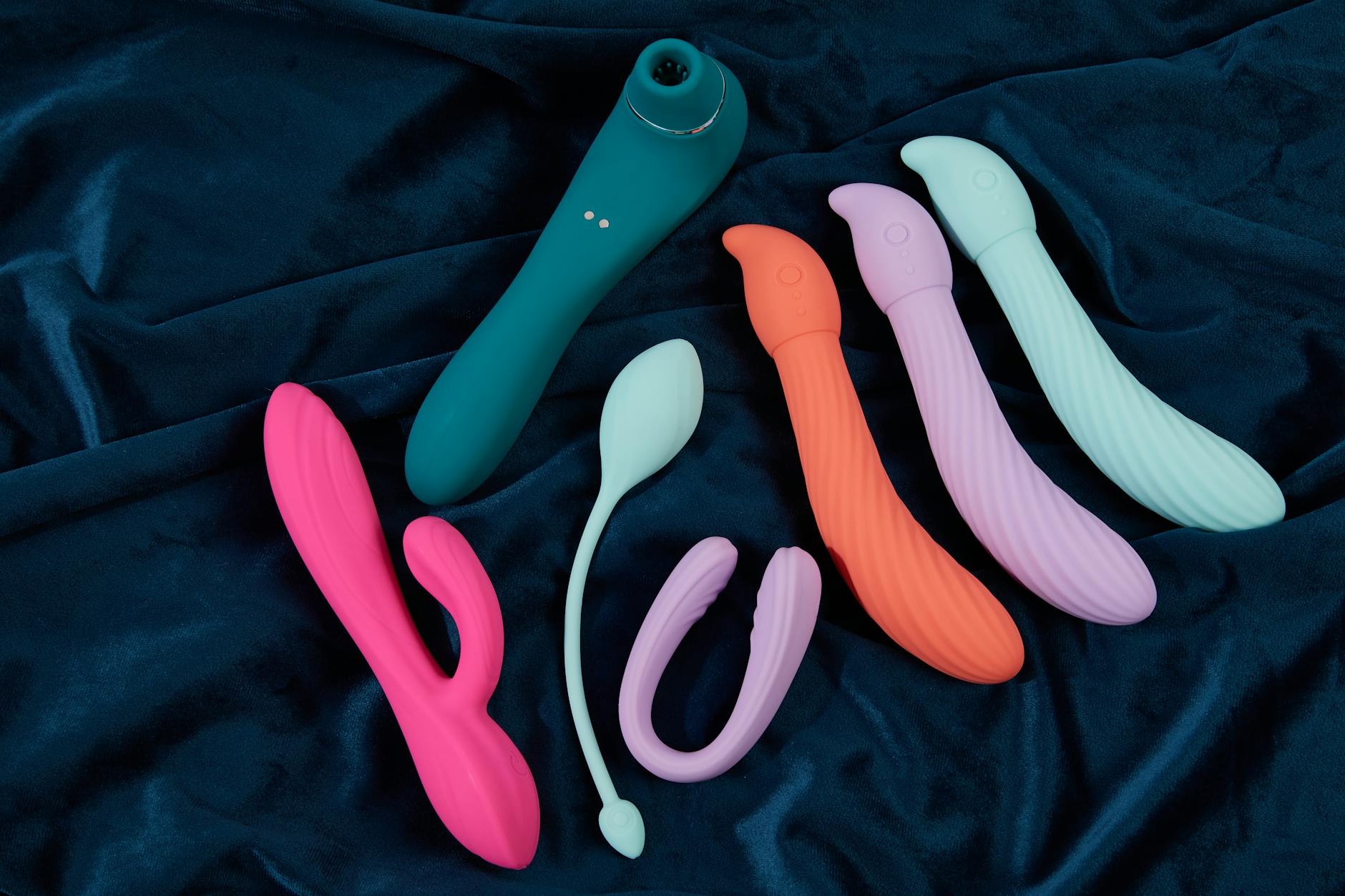
Lemon vibrators, like other clitoral suction toys, interrupt that loop by offering a third option. Not as a consolation prize. As a legitimate, often more reliable path to mutual pleasure.
Here's the shift: instead of framing sex around erections, you frame it around sensation. The clitoris doesn't need an erection to feel extraordinary. Most people with vulvas have more consistent, more intense orgasms from focused clitoral stimulation than from penetration alone. This is basic anatomy, not an insult.
When ED arrives, you're suddenly free to explore this. Your partner gets sustained, reliable pleasure. You get to contribute to that without the pressure of maintaining an erection. The intimacy shifts from performative to genuinely connected.
Splitting the ED conversation from the pleasure conversation
Most couples tangle these two things together, which makes both conversations toxic. "I want to talk about ED" becomes "you're not working hard enough" or "I'm broken and you're frustrated." Nothing productive happens.
Instead, separate them. Completely.
First conversation: ED is medical. If it's new, see a doctor. It could be vascular, hormonal, medication-related, or psychological. You can't solve medical stuff through willpower or better communication. You need information. Get bloodwork. Talk to a urologist or a primary care doctor. Some options are genuinely life-changing. PDE5 inhibitors work for many people. Testosterone therapy helps others. Penile injections work when pills don't. But you don't know until you ask.
Second conversation: pleasure is relational. This is the one clitoral vibrators actually address.
You're not fixing ED together with a lemon vibrator. You're rebuilding intimacy while ED exists. Those are opposite directions. One is medical. One is emotional. Collapsing them means you're asking a vibrator to also solve your partner's shame, which no toy can do.
How to actually introduce this
Timing matters. Don't bring it up during sex, post-failure, or when either of you is tired or stressed.
Pick a neutral moment. A walk, a coffee, Saturday morning. Say something like, "I've been thinking about us. I don't want ED to be the thing that stops us from being close. I found something I'd like to try together. Would you be open to that?"
That's it. Don't oversell. Don't make it about saving the relationship. You're inviting exploration, not proposing a solution.
If they're interested, you could say: "I've heard a lot about lemon clitoral vibrators. People seem to really like them. I'm curious if we could try one together." If they ask why, the honest answer is: "Because it takes the pressure off you, and it feels good. I want both of those things."
If they're not interested right away, don't push. But circle back in a few weeks. Sometimes resistance softens with time and reassurance.
What lemon vibrators actually do in this dynamic
Clitoral suction toys work through gentle air-pulse stimulation rather than traditional vibration. This changes everything for couples navigating ED because:
It requires no erection from you. You can focus entirely on your partner's pleasure. That's genuinely freeing.
It's intensely pleasurable for them. Most people with vulvas find clitoral suction more reliable than any other single thing. If you're worried about her feeling satisfied, this removes that doubt entirely.
It keeps you involved. You're not sitting on the sideline. You're controlling the intensity, watching her response, adjusting in real time. The intimacy is there. It's just not penetrative.
It separates sex from performance. Once you've had one really good experience where the focus is her pleasure and there's zero pressure on him, the shame narrative starts to crack. Sex becomes something you do together instead of something he has to pass a test to deserve.
The rhythm that actually works
Honestly though, the physical technique matters less than the emotional frame you build around it.
Start with nonsexual touch for a week or two. Hold hands. Give each other massages. Reconnect with her body without any goal. This seems basic, but it's essential. Your nervous systems need to remember that you can be physically close without sex being the only outcome.
When you do introduce a clitoral vibrator, start slowly. Set a time when you're both relaxed. Use water-based lubricant. Have her explore with it solo first if she's comfortable. Let her show you what feels good. This isn't about him making her come. It's about her pleasure and his participation.
Then, try it together. Maybe he holds it. Maybe she guides his hand. Maybe you just lie close and talk while she uses it. There's no script. The point is you're collaborating instead of competing.
When shame gets in the way
Shame is the thing that kills this faster than ED itself.
If your partner is struggling with the emotional weight of ED, a vibrator alone won't fix that. Shame needs to be addressed directly, and sometimes that requires a therapist. A good sex therapist or couples therapist can help untangle performance anxiety from the actual medical issue. This matters because ED feeds on shame. The more ashamed he feels, the worse it gets. Breaking that cycle is the real work.
You can support this by being radically clear about a few things: ED is not his fault. It doesn't mean he's less of a man or less attracted to you. Your pleasure matters, and so does his. Exploring alternatives isn't settling. It's evolution.
Addressing the resistance that might show up
Some partners resist introducing vibrators because they worry it means they're not enough. This is real, and it's worth taking seriously.
The reframe is this: a vibrator isn't a replacement. It's a tool. A lemon vibrator gives consistent, intense clitoral stimulation that a hand, a mouth, or a penis simply can't replicate. That's not a judgment on any of those things. It's just anatomy. A vibrator is an addition, not a subtraction.
Some partners resist because they worry about losing control of the dynamic. That's fair. Introducing anything new does shift power. But in this case, it usually shifts power toward the partner who's been silently resenting not being satisfied. That's worth it.
Some resist because they're embarrassed. That's the hardest one to address, but also the most important. Embarrassment thrives in silence. It dies in direct conversation. You can say, "I know this feels weird. It feels a little weird to me too. But I'd rather feel a little awkward than feel disconnected from you. Can we try?"
What happens next
If you actually do this, a few things might occur.
Your partner might have the best orgasm of her life. This is surprisingly common and genuinely transformative. It resets her expectations of what's possible.
You might feel weirdly relieved. The pressure you didn't know you were carrying lifts.
You might discover that you actually like this better than your old rhythm. Slower. More focused. Less performance-based. Many couples do.
Or you might try it once and decide it's not for you. That's fine too. The point isn't to convert you into vibrator people. The point is to show yourselves that ED doesn't have to be a full stop. There are other directions to go.
One more thing: ED often improves on its own once the shame and pressure come down. I've worked with so many couples where the man's erectile function bounced back once he wasn't catastrophizing about it. Not always. But often. So in introducing pleasure alternatives, you might actually be creating the conditions for things to go back to "normal." Weirdly, that can happen.
The conversation doesn't end here
ED in a relationship is as much a relationship problem as a medical one. That's why it's worth talking about clearly, separately from sex itself. And why exploring alternatives together, whether that's clitoral vibrators or something else entirely, is worth doing without shame. Your pleasure matters. So does his. So does the thing that holds you together.
Erectile dysfunction doesn't mean the end of intimacy. It means the beginning of a different conversation about what intimacy actually is.
People also ask
Can lemon vibrators help with ED anxiety?
Not directly. But they do help with the anxiety that builds around sex. When you know your partner will have reliable pleasure regardless of erection, the pressure drops. That lower pressure can actually improve erectile function over time. Anxiety is often what keeps ED going. Removing the performance stakes helps break that cycle.
Should we use lemon vibrators instead of treating ED medically?
No. These are different conversations. If ED is new or worsening, see a doctor. Medical options exist and they work. Vibrators aren't a substitute for a urologist. They're a tool you use while you're figuring out the medical side, or if medical options don't work, or if you just want another way to connect.
Will my partner feel like I don't want him if I introduce a vibrator?
Probably, at first. That's why the conversation matters so much. You're not saying "I don't want you." You're saying "I want us to feel connected and satisfied, and I want to explore what that looks like now." The difference is huge. But it takes patience to land it.
How do we use a lemon vibrator together if he's worried about losing an erection?
Start outside the moment of high pressure. Use it during foreplay, when there's no expectation of penetration. Let him watch. Let him control the intensity. The goal isn't to maintain an erection. It's to enjoy sensation together. Once that's comfortable, you can explore bringing it into other moments.
What if ED is psychological rather than physical?
Then the medical side still matters (bloodwork, basic checkup), but therapy is probably more important. A sex therapist or couples therapist can help untangle performance anxiety, past experiences, relationship conflict, or trauma. Vibrators can support that work, but they can't replace it.
How long does it usually take for things to improve?
It depends on the root cause and how you approach it together. If it's medication-related, changes might happen once you switch drugs. If it's psychological, 3 to 6 months of consistent communication and exploration is typical. If it's vascular or hormonal, treatment can show results in weeks to months. There's no standard timeline.
Where to go from here
If ED is new to your relationship, you might also benefit from reading about how long-term partners can rediscover pleasure with lemon vibrators. That post digs deeper into rebuilding connection when dynamics shift.
If shame is the bigger issue right now, how to use lemon vibrators when recovering from sexual trauma has tools for untangling emotional blocks, even if trauma isn't your specific story.
Most importantly, remember this: ED is a medical situation with a relational solution. The vibrator isn't the solution. The conversation is. The decision to keep exploring together is. The willingness to try something new is. That's what actually matters.