The truth about desire after ten years
Here's what I see in my practice: couples don't stop wanting each other. They stop wanting in the same way. The early-relationship urgency fades. Stress piles up. Someone stops initiating. The other person stops trying. And then sex becomes something that happens less and less until it's barely happening at all.
This isn't a relationship failure. It's actually incredibly common. But it's also incredibly fixable, especially when you have the right tool and the right framing.
Why lemon vibrators change the conversation
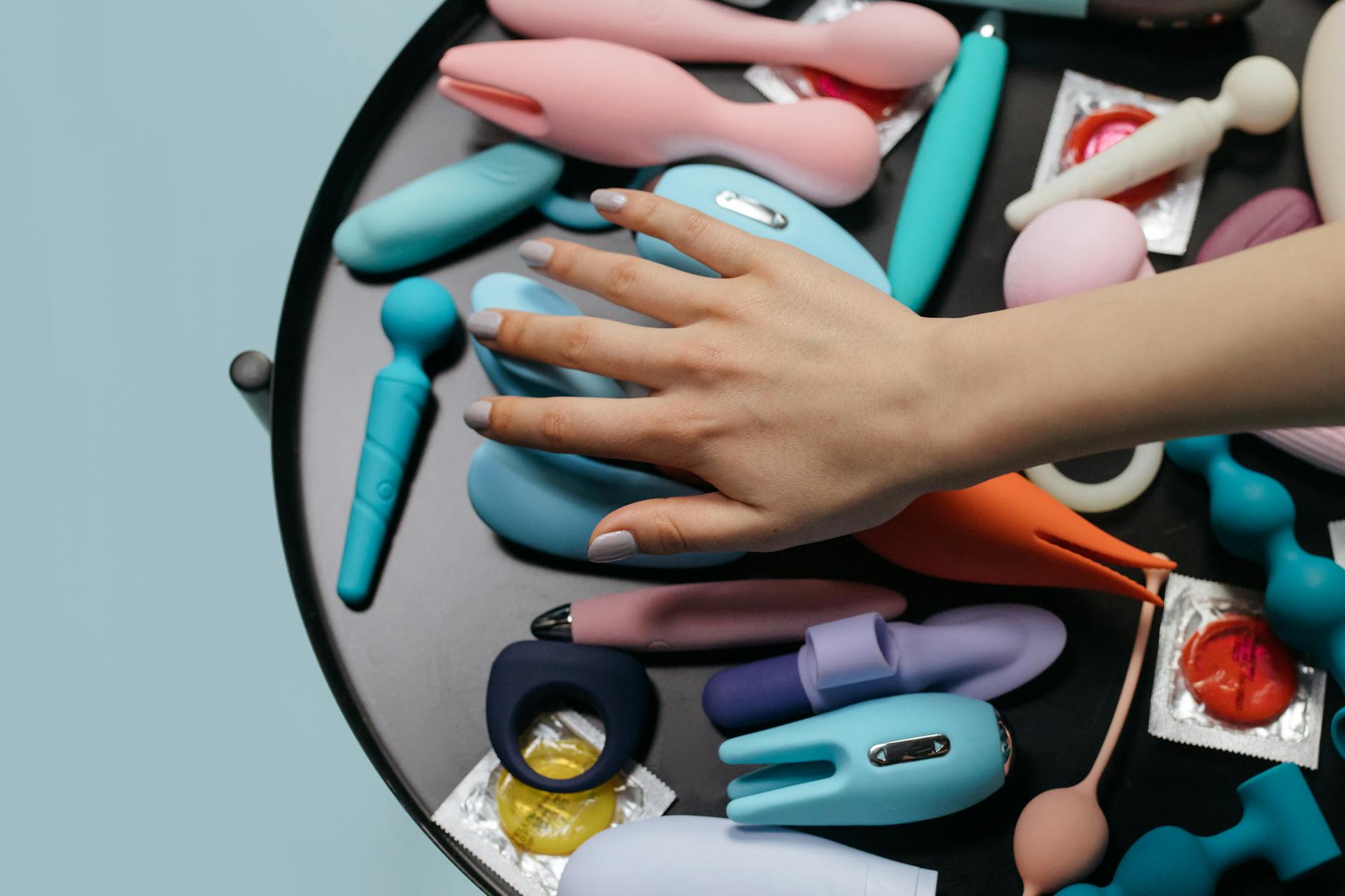
Traditional vibrators are fine. They work. But they come with baggage: they can feel clinical, they require a specific kind of stimulation, and they often feel like a workaround for "not being enough." A lot of my clients tell me they feel disconnected from their partner during traditional toy use. The toy becomes the focus instead of the two of you.
Lemon clitoral vibrators work differently. The suction-based design (hello, Lem) mimics the rhythm of oral sex without being a replacement for it. For partners who've stopped touching each other, that distinction matters. It feels less like you're using a workaround and more like you're exploring together.
But here's the real magic: introducing a lemon sucker forces a conversation. You have to talk about it. "Do you want to try this?" "What do you think about this?" "Let me show you how this feels." That conversation is often the beginning of reconnection, not just physical but emotional.
How to bring it up without making it weird
Okay, so you want to introduce a lemon sexual toy to your long-term partner. The timing and framing matter more than you'd think.
Don't lead with "our sex life is dead." That lands like a criticism. Instead, try something closer to: "I've been thinking about us trying something new. Not because anything's wrong, but because I want us to feel that spark again. I read about this toy that might be fun to explore together."
Present it as curiosity, not desperation. Send them an article. Show them the Hello Nancy website. Make it low-pressure. "No pressure, but would you be interested?" is a complete sentence.
The worst thing you can do is surprise them with it. Unboxing a toy together changes the entire dynamic. It becomes collaborative instead of one person fixing the problem alone.
Why the Lem works specifically for reconnecting couples
I recommend the Lem for couples work because it's impossible to use passively. You have to be present. You have to pay attention to what's working. And you have to communicate.
Unlike traditional vibrators, where one person often hands off control, lemon suction toys are better when both partners are engaged. One person can hold it. The other person can guide it, adjust the pattern, watch what happens. That back-and-forth is where the real intimacy lives.
The sensation itself is also different enough that it feels genuinely new. Even if you've been together twenty years, this sensation is likely something neither of you has experienced. That newness matters psychologically. It rewires the experience from "same old same old" to "we're discovering this together."
The conversation framework that actually works
After you've introduced the toy and they've agreed to try it, have a real conversation before you use it. Set expectations. This isn't about fixing anything. This is about playing.
Here's what I ask couples to discuss beforehand:
Pattern and pace. Most lemon vibrators come with multiple settings. Agree on a baseline. Start at pattern one or two. This isn't about intensity. It's about sensation.
Control. Who's holding it? Are you switching? Make that clear so nobody's uncomfortable.
Pressure. What does pleasure actually feel like for them? A lot of people assume they know, and they're wrong. Ask. Listen. Adjust.
Stopping. If something isn't working, you can stop. There's no failure here. Curiosity and communication are the wins.
Then actually use it. And afterward, check in. Not in a performance way. Just: "What was that like? Did you like that better on pattern three? Should we try it differently next time?"
The patterns that reconnect, not just physically
When couples start exploring pleasure tools together, something shifts. You're laughing again. You're being vulnerable in a new way. You're seeing each other as curious and sexy, not just familiar and routine.
The physical pleasure is real. But the relational reconnection is often the bigger win. You've moved from "we should probably have sex" to "I want to explore this with you." That's a completely different energy.
One thing I've noticed: couples who use lemon clitoral vibrators together report feeling less pressure overall. There's something about introducing a toy that lowers the stakes in a good way. It's not about performance anymore. It's about play.
What changes after the first time
Some couples use it once and feel reconnected enough to go back to sex without it. Others make it a regular part of their routine. Both are fine. There's no "right" way to do this.
What tends to happen is that the conversation continues. You start talking about pleasure differently. You ask questions you haven't asked in years. You notice things about each other you'd stopped paying attention to.
That's the real shift. The toy is the catalyst. The conversation is the actual repair work.
When to consider professional support
If you've tried this and something's still off, it might not be about pleasure at all. It might be about resentment, stress, or deeper disconnection. That's when couples therapy becomes useful. I'm not saying that to sell you on therapy. I'm saying it because I see couples who try toys as a fix-all when the actual issue is communication or unresolved conflict.
A good therapist can help you figure out if the problem is "we don't have sex" or "we don't talk about the things that matter." Those are different problems with different solutions.
The permission you might need
If you're hesitant about trying lemon sexual toys with your partner, you might be waiting for someone to tell you it's okay. So here it is: it's okay. Your desire matters. Wanting to feel connected to your partner physically is healthy. Using a tool to get there is practical, not a sign of failure.
You don't need to earn pleasure. You don't need to have the "right" reason to try something new. Long-term relationships need maintenance, curiosity, and play. Lemon vibrators are one way to access that.
The real work is showing up, being honest, and staying curious about each other.
People also ask
How do I know if my partner will be receptive to using a lemon vibrator?
You don't know until you ask. But here's what increases the likelihood: framing it as curiosity, not criticism. Timing it when you're both relaxed. Presenting it as something you want to explore together, not something you want them to use so you can relax. Partners are more receptive to toys when they feel like you're doing this as a team, not as a solo fix for the relationship.
Is using a lemon sucker with a partner different from using one solo?
Completely. Solo use is about knowing your own body and what feels good. Partner use is about communication, attention, and shared vulnerability. The toy feels different because the context is different. You're being watched. You're watching them. There's a rhythm of guidance and adjustment. That presence changes everything.
How do I handle awkwardness if we're both new to toys?
Lean into it. Awkwardness means you're doing something new. Laugh about it. Talk about it. The best couples are the ones who can say "this is weird and I like it anyway." That willingness to be a little awkward together is actually where real intimacy lives. After enough time together, smooth transitions are boring. Permission to be a little clumsy is freeing.
What if my partner wants to use it more often than I do?
Then you've just learned something valuable about your partner's desire. That's the conversation. Not "you want it too much" but "I'm noticing you light up when we use this. That's hot. Let's talk about how often works for both of us." Different desire levels are normal. The toy just made that visible.
Can lemon vibrators actually rebuild intimacy after years of no sex?
They can open the door. But they can't do the real work alone. The real work is showing up, talking, being vulnerable, and staying curious. The toy is the permission slip and the conversation starter. You still have to do the rest.
How do I bring this up if we haven't had sex in a long time?
Start with the relationship conversation first. "I miss you. I miss us. I want to reconnect." Then: "I found something that might help us explore pleasure without pressure. Would you be open to trying it?" The toy comes after the intention, not before. Otherwise it feels like a Band-Aid on a deeper wound.
The bottom line
Long-term relationships need tools. Not because they're broken, but because they're complex and they change. A lemon clitoral vibrator isn't a magic fix. But it is a way to restart a conversation, to explore together, and to remind each other that you're worth the effort. That's where real reconnection begins.