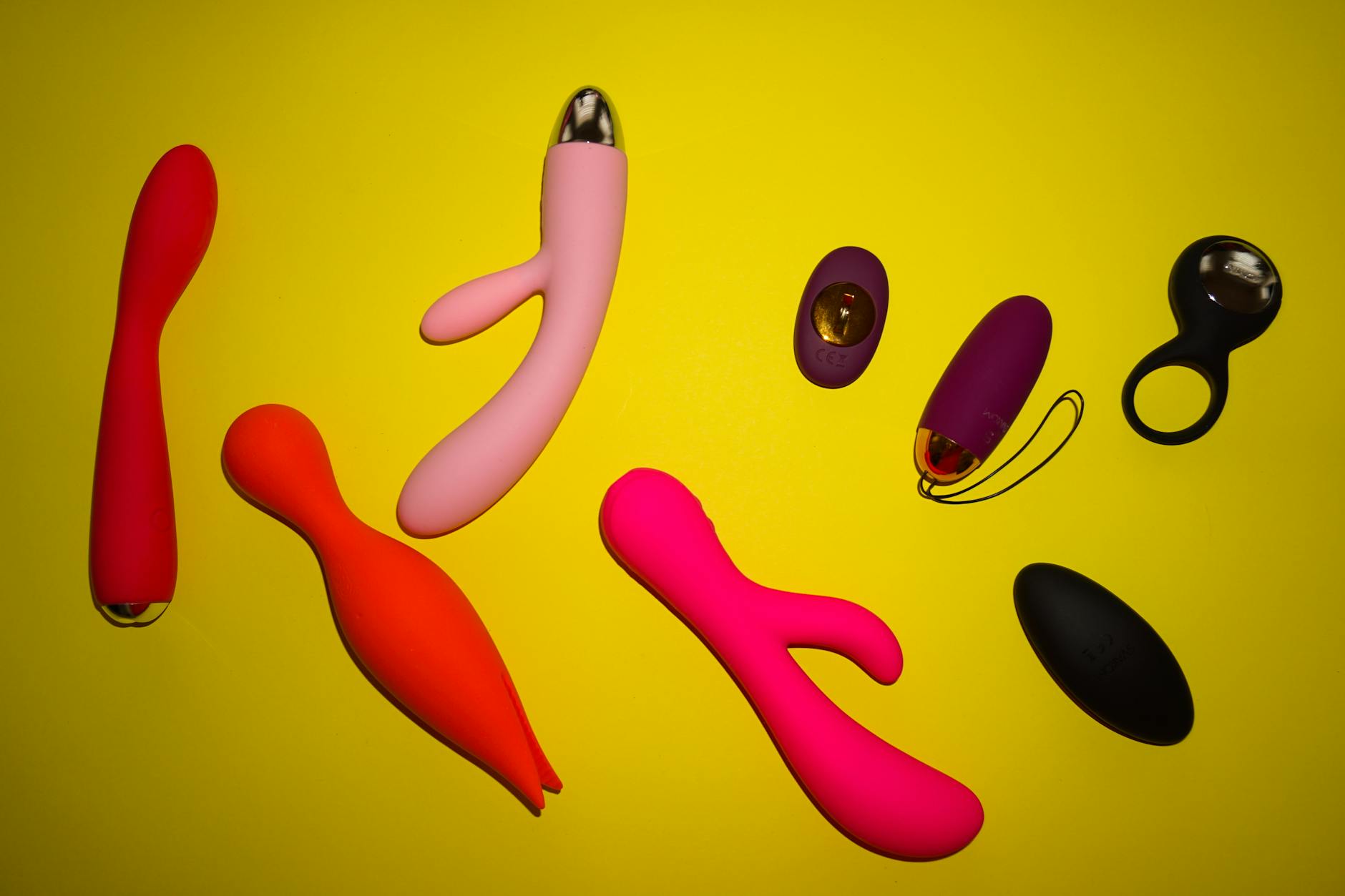
Let's talk about what touches your skin
If you've ever had a reaction to a toy—itching, redness, irritation that lingers—you probably blamed yourself. You didn't. The toy did. Most vibrators on the market are made from cheap silicone blends that feel okay for five minutes but leave your skin angry for hours. Lemon vibrators, built from medical-grade silicone, don't do that. Your skin knows the difference immediately.
Here's the honest part: sensitivity isn't weakness. It's information. And the right toy listens to what your skin is trying to tell you.
Why cheaper silicone irritates sensitive skin
Not all silicone is created equal. Budget vibrators often use industrial-grade silicone mixed with plasticizers—chemicals that keep the material flexible but also leach into your skin over time. If you've felt that weird tightness or burning sensation after using a toy, that's plasticizers. Your vulva tissue is absorbent and permeable. It picks up everything.
Medical-grade silicone is different. It's made without phthalates, BPA, or other additives that cause reactions. Lemon vibrators use this higher standard because skin contact demands it. The material is non-porous, hypoallergenic, and stable even under friction and heat.
The result isn't subtle. People with reactive skin often tell me their first lemon vibrator experience is jarring because nothing irritates. They're so used to managing inflammation afterward that the absence of it feels almost suspicious. It's not. It's just what happens when the material actually respects your body.
The texture paradox: softer feels safer, but why
Lemon vibrators feel buttery to the touch. That's partly the silicone quality, partly the manufacturing process. Cheaper toys use molds that leave micro-scratches invisible to the eye but obvious to delicate skin. Medical-grade silicone is polished to a specific smoothness standard.
But here's what's counterintuitive: softness isn't about reduced sensation. A lemon vibrator delivers sharper, more defined stimulation than harder toys because the surface conducts vibration more efficiently. Soft material actually transmits the buzz better to nerve endings. You get more feeling with less friction damage.
If you've been using wands or harder vibrators and your clit has felt numb or raw, switching to a lemon vibrator often feels like turning a volume knob up instead of down.
How medical-grade changes the chemistry of your vulva
Your vulvar skin has a pH between 3.8 and 4.5. It's acidic for a reason—to keep harmful bacteria out. Cheap silicone can disrupt that balance. Medical-grade silicone is pH-neutral, meaning it doesn't trigger inflammatory responses or yeast overgrowth.
If you've noticed that toys sometimes lead to infections or imbalances even when you're washing them, the toy material might be the culprit, not your hygiene. A lemon vibrator won't fix bad cleaning habits, but it won't sabotage your microbiome either.
When to know your skin is reacting to the toy, not you
Reactions that show up within 15-30 minutes of use are material-related. Reactions that linger for 4+ hours suggest a deeper irritation. If you're experiencing itching, burning, redness, or unusual discharge after toy use, and it happens consistently with your current vibrator, it's time to switch.
Sensitivity to lube is different. You can change the lube. Sensitivity to silicone means the toy itself isn't compatible with your skin. That's not a personal failure. That's a material failure, and lemon vibrators are designed to fix it.
I've worked with clients who avoided pleasure toys altogether because they assumed their skin was "too sensitive." Once they tried a medical-grade option, they realized they weren't sensitive to pleasure—they were sensitive to garbage materials. The relief and difference is almost always immediate.
The care and longevity angle (why this matters long-term)
Medical-grade silicone lasts. A properly cared-for lemon vibrator stays smooth and non-porous for years. Cheaper silicone degrades. Over time, the surface breaks down, becomes sticky, and collects bacteria even after washing. That degradation is another source of irritation.
If you've had toys that felt worse the more you used them, that's silicone breakdown. Medical-grade materials don't do this. They're engineered to stay stable under repeated use, moisture exposure, and temperature changes.
This also means you're not replacing vibrators every six months. One good lemon vibrator is more economical and more ecologically responsible than cycling through three cheap ones.
Comparing to other materials (and why they fall short)
Glass and stainless steel are non-porous and safe, but they're rigid. They don't give. For sensitive skin, that firmness can be uncomfortable. Plastic is cheaper but porous and often contains BPA or phthalates. Rubber degrades quickly and traps bacteria.
Medical-grade silicone is the sweet spot: soft enough to feel gentle, non-porous enough to stay clean, and chemically inert enough to not mess with your skin chemistry. It's why hospitals use it for catheters and implants. Your vulva deserves the same standard.
Lemon vibrators aren't a luxury material choice. They're a health choice.
The confidence shift that happens
When you trust your toy, you relax. Tension kills arousal. If you're using something that irritates you, your nervous system knows, even subconsciously. You tense up. Sensation flattens. The experience becomes about managing discomfort instead of exploring pleasure.
With a lemon clitoral vibrator, many of my clients report that the first time they use it, they notice the absence of that background worry. They can actually focus on what feels good instead of what might go wrong. That mental shift—trusting your tools—unlocks pleasure you didn't know you were missing.
FAQ: Sensitive skin and lemon vibrators
Can I still get a reaction to a lemon vibrator if I have very reactive skin?
Rarely, but yes. If you have severe vulvodynia, dermatitis, or are allergic to silicone specifically (extremely uncommon), medical-grade silicone might still cause a response. But for the vast majority of people who've had reactions to toys, medical-grade silicone eliminates the problem. If you're unsure, patch-test on your inner arm first or consult a dermatologist.
Do I need a special lube with a lemon vibrator?
No, but water-based lubes are the safest bet with any silicone toy. Water-based won't degrade the material and works well with sensitive skin. Avoid silicone-based lubes with silicone toys because they can interact unpredictably. Oil-based lubes can trap bacteria, so skip those too.
How often should I replace a lemon vibrator if I have sensitive skin?
If you're washing it properly after each use and storing it in a clean, dry place, a medical-grade silicone lemon vibrator can last 5-10 years or longer. The material doesn't degrade the way cheaper silicone does. You're not replacing it because of material failure. You'd replace it if the motor stops working or you want something new.
Will a lemon vibrator help if my sensitivity is from hormonal changes or medication?
Not directly, but it removes one variable. If you're on medication that's causing numbness or a toy that's causing irritation, you want to isolate those issues. A medical-grade silicone tool means you're only dealing with the hormonal piece, not a material reaction on top of it. Removing friction points makes healing clearer.
Are there lemon vibrators specifically designed for extra-sensitive skin?
The standard lemon vibrator is already gentler than most alternatives because of the medical-grade silicone. What matters more is the intensity level. Lower intensity settings (Patterns 1-3) feel softer on reactive skin. If you're extremely sensitive, starting low and building up helps your skin acclimate without irritation.
Can someone with a silicone allergy use a lemon vibrator?
Silicone allergies are rare, but if you have one, medical-grade silicone will still trigger a response because the allergy is to silicone itself, not the impurities. In that case, glass or stainless steel are your safest options. But be honest about whether you've had a true allergy diagnosis or just reactions to cheap toys. Most people discover it's the latter.
The bottom line
Your skin deserves material integrity. Lemon vibrators deliver that without the markup or the pretension. You're not paying for luxury branding. You're paying for medical-grade silicone that respects your body's chemistry and stays stable for years. If you've had reactions to toys before, that history is worth taking seriously. Switching to a lemon clitoral vibrator often feels like the first time pleasure actually feels safe.
Ready to explore what a gentler tool can do? Start with one lemon vibrator. Pay attention to how your skin feels hours afterward. That information—the absence of irritation—is your body saying yes.
Have questions about which lemon vibrator might be right for your skin or sensitivity profile? Reach out. We're here to help you find what works for your body, not what works for someone else's.