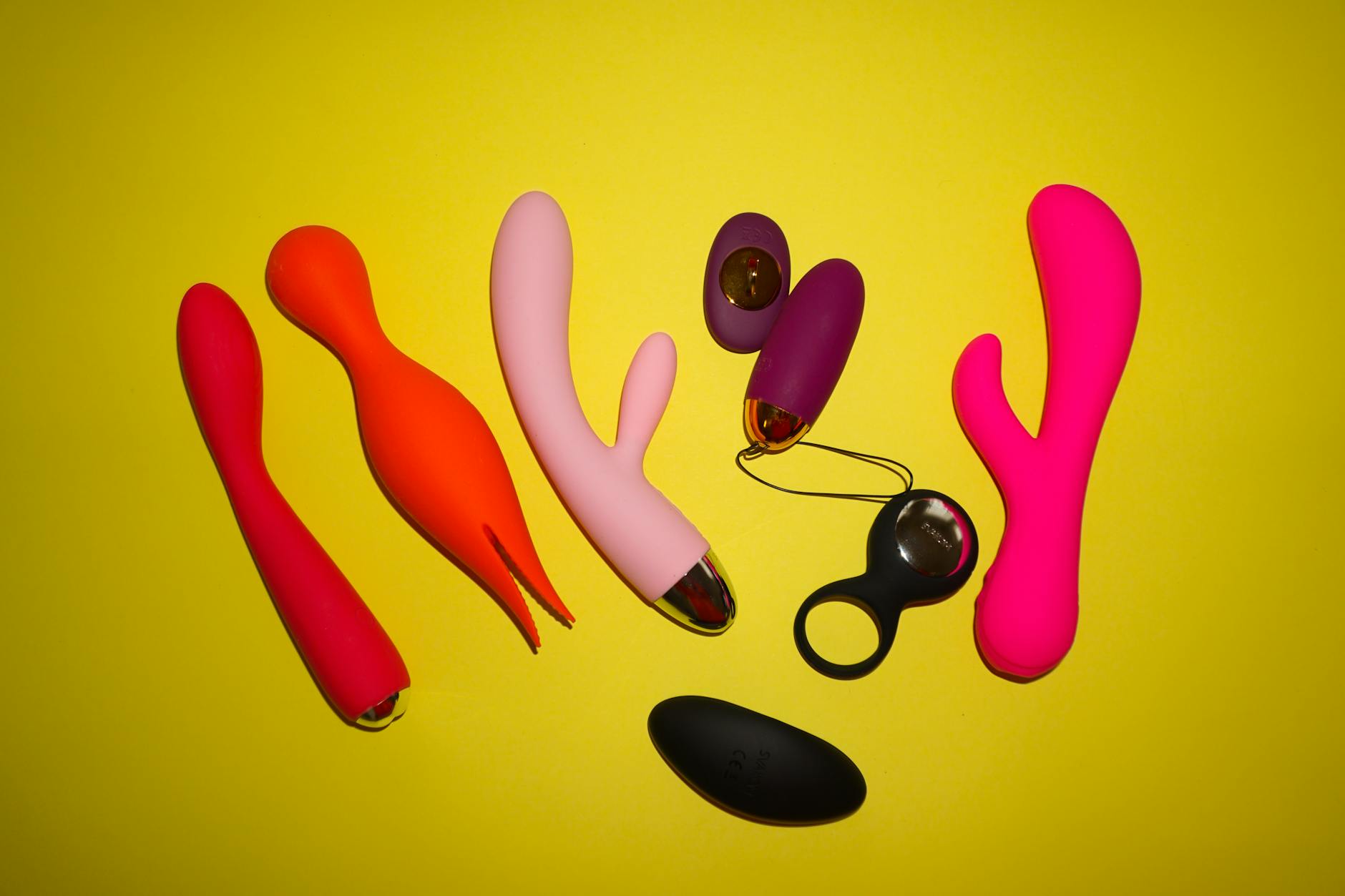
Your body doesn't feel the same every week. That's not a glitch.
If you've noticed that a lemon vibrator feels amazing one week and almost too intense the next, you're not imagining it. Your clitoral sensitivity genuinely shifts throughout your cycle. Estrogen, progesterone, and testosterone all fluctuate in a predictable pattern, and each one affects blood flow, nerve sensitivity, and how your tissues respond to touch.
The problem is that most pleasure advice treats your body like a static thing. It's not. Understanding these shifts doesn't just explain why your sensation changes. It gives you permission to use lemon vibrators differently at different times, which is actually the smarter way to use them.
The menstrual phase: when sensitivity drops but pleasure deepens
During your period, estrogen bottoms out. You'd think that means less sensation, and technically you're right. The clitoral tissue isn't as engorged, and your baseline sensitivity is lower. But here's what's interesting: many people report stronger, deeper orgasms during menstruation because the pelvic floor is more relaxed and blood is already flowing to the area.
What works: Start lower on your lemon vibrator's intensity settings than you normally would. Pattern 1 or 2 instead of 3 or 4. Because sensitivity is dampened, you need to be intentional about warm-up time. Spend 10 to 15 minutes just exploring before you crank up the intensity. The suction mechanism of a lemon clitoral vibrator is actually ideal here because it doesn't rely on vibration alone. It creates sustained pressure and stimulation without the jackhammer effect of traditional vibrators.
Broadly speaking, your threshold for intensity is higher during menstruation, but that doesn't mean you want to go hard immediately. Patience pays off.
The follicular phase: when everything feels sharper
After your period ends and before ovulation, estrogen climbs steadily. This is when your clitoral tissue becomes more engorged, blood flow increases, and nerve sensitivity peaks. Most people find they can reach orgasm faster and more easily during this week. Sensation is heightened. Pleasure compounds.
This is where lemon suckers truly shine. Your clitoris is already primed, and the suction-based stimulation of a lemon vibrator creates a more precise, targeted sensation than a traditional vibrator at this phase. You might find that you need less overall stimulation to reach the same pleasure. Patterns that felt good during menstruation might now feel too intense.
What works: Experiment with higher intensity settings, but actually use them more selectively. Instead of ramping to pattern 4 or 5, try pattern 3 or 4 for shorter bursts, then back off. Your nervous system is already activated. Less is often more. Many people find that alternating between intensity levels during this phase creates a richer experience than staying at one setting.

Photo by Olga Lioncat on Pexels
Ovulation: the peak sensitivity window
Right around ovulation, testosterone spikes alongside estrogen. This is the week you probably feel the most desire, the most sensation, and the most confidence in your own pleasure. Your clitoral tissue is at maximum engorgement. Your nerve endings are as responsive as they get all month.
For many people, this is when lemon vibrators feel absolutely incredible. The clitoral suction toys work because your tissue is already responsive and doesn't need as much coaxing. Orgasms often arrive faster, and they often feel fuller.
What works: This is the time to trust what you want. If a higher intensity pattern feels good, use it. You have the physiological capacity for it. Ironically, this is also when you might find that you prefer less mechanical stimulation and more direct clitoral suction. The precision of a lemon vibrator's design becomes a real asset here. You know exactly where the stimulation is, and your body responds without hesitation.
The luteal phase: when your needs actually change
After ovulation, progesterone rises and estrogen dips slightly. This is usually when people feel more introverted, more emotionally present, and paradoxically, more sensitive. Many experience pain or tenderness in their clitoris during this phase. It's not universal, but it's common enough that it's worth knowing.
Sensitivity is high, but irritability is higher. That intense vibration that felt good two weeks ago might now feel overwhelming. This is when the gentler approach to lemon adult toys becomes crucial.
What works: Lower intensity, longer warm-up, and patience with yourself. This is the phase when using a lemon clitoral vibrator on a lower setting with more focus on breathing and arousal matters. You're not chasing sensation here. You're building it slowly. The suction-based design of lemon vibrators is actually protective during the luteal phase because you have more control over intensity than you do with traditional vibrators. You can find that sweet spot between stimulation and tenderness.
Why lemon vibrators adapt better than traditional vibrators
Here's the mechanical reality: traditional vibrators deliver vibration at a fixed intensity and frequency. Lemon suckers deliver suction and gentle pulsing, which means you control the pressure and can modulate the experience more intuitively. When your body is sensitive and your needs shift weekly, that control matters.
Most people with a lemon sucker instinctively adjust how they position and angle it based on what their body is telling them. You can't really do that with a traditional vibrator. You either turn it on or off. This makes lemon vibrators genuinely superior for bodies that cycle, because you're working with your fluctuations instead of against them.
Tracking your own sensitivity
Here's what actually helps: for two cycles, note which patterns and techniques felt best on which days. You'll probably spot a pattern. Most people find that they prefer lower intensity settings during menstruation and the luteal phase, higher (or more varied) intensity during the follicular phase and ovulation.
This isn't about forcing your body into a schedule. It's about meeting yourself where you actually are. Some cycles are stronger than others. Some people's hormonal swings are more dramatic than others. But once you notice your own rhythm, adjusting your approach becomes intuitive. You stop feeling broken and start feeling responsive.
That shift in perspective changes everything.
When sensation feels wrong
If you experience sharp pain, unusual numbness, or a sudden change in your cycle patterns, check with a gynecologist. Sometimes these shifts signal hormonal imbalances, endometriosis, or other conditions worth understanding. But normal cyclical changes in sensation and pleasure are just your body doing its job.
Many people find that once they understand their cycle, they actually have more pleasure overall because they're not fighting their own biology. They're working with it.
FAQ: Cycle and sensitivity
Do lemon vibrators work better at certain times in the cycle?
Yes and no. The suction design of a lemon clitoral vibrator means it adapts well to changing sensitivity throughout your cycle. During peak fertility phases (follicular and ovulation), when your clitoris is more engorged and sensitive, the precision of lemon vibrators lets you dial in exactly the right pressure. During menstruation and the luteal phase, when sensitivity is lower or more tender, the lower intensity settings on a lemon sucker prevent overstimulation. So they work well year-round, but how you use them changes.
Why does my clitoris feel numb during certain parts of my cycle?
During the luteal phase and early menstrual phase, estrogen is lower, which means less blood flow to clitoral tissue. This can create a sensation of dampened feeling or numbness. It's not dangerous. It's hormonal. Warm-up time, consistent stimulation, and patience usually bring sensation back. If numbness persists across your entire cycle, that's worth discussing with a doctor.
Can I use the same intensity setting every day?
You can, but you probably won't want to once you notice how your body changes. Many people find that using the same intensity level all month feels jarring at certain points in the cycle. It's like wearing the same pair of shoes regardless of whether you're hiking or dancing. You can, but adjusted footwear works better. Same principle with lemon vibrators.
Is it normal to want less stimulation during my period?
Completely normal. During menstruation, estrogen is lowest, so baseline sensitivity drops. Your body isn't broken. You just genuinely need a different approach. Lower intensity, more warm-up time, and sustained pressure (like the suction from a lemon sucker) often work better than high vibration.
How long does it take to notice cycle patterns with a lemon vibrator?
Most people notice shifts within one or two cycles once they start paying attention. The first cycle is usually about observation. The second cycle is when you can actually test what you learned and see if the pattern holds. By the third cycle, your adjustments feel natural.
Does hormonal birth control change how lemon vibrators feel?
Yes. Hormonal birth control suppresses the natural hormone fluctuation, so many people on it experience more stable sensation throughout their cycle. That's not better or worse. It just means you might not need to adjust your lemon vibrator settings as much as people with natural cycles do. Some people find that consistency liberating. Others prefer the rhythm of their natural cycle.
What changes and what doesn't
Your capacity for pleasure doesn't change. Your desire might shift. Your sensation will. Your clitoris will feel different textures of stimulation at different times. None of this is dysfunction. It's variation, and variation is exactly what makes sensation rich over time.
Once you stop fighting your cycle and start using it as information instead, pleasure becomes more accessible. Your lemon vibrator doesn't need to change. Your relationship to how you use it does.
That small shift in perspective? It changes everything.
Ready to understand your own patterns? Start paying attention this cycle. Jot down which settings felt best on which days. Your body already knows what it needs. You're just learning to listen to it.
Have questions about your cycle or pleasure? Reach out to us at Hello Nancy.