Here's what no one tells you about SSRIs and sex
Antidepressants save lives. They also kill desire and numb sensation for about 40-60% of people taking them. That's not a character flaw. That's not something to tough out. That's a real side effect that deserves real solutions.
The worst part isn't the desire dropout. It's the numbness. When you can barely feel touch. When pleasure registers as a distant echo instead of a sensation. When your body stops responding the way it used to.
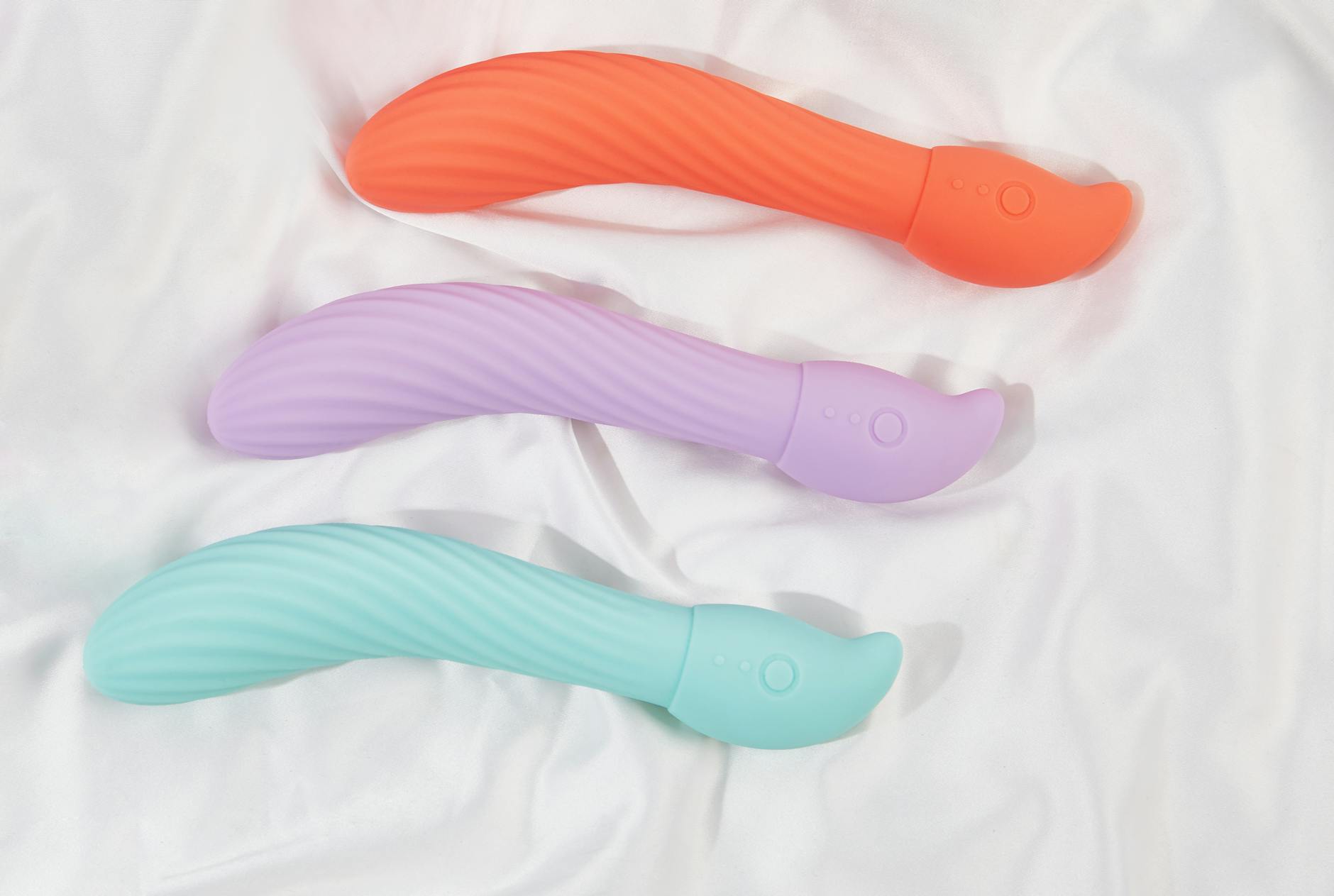
Lemon clitoral vibrators work differently for SSRI-numbed sensation, and I want to explain why.
How SSRIs flatten pleasure in the first place
SSRIs work by keeping serotonin in your brain longer. That's great for your mood. It's terrible for genital blood flow and nerve sensitivity.
Here's what happens:
Serotonin doesn't just live in your brain. It's in your gut, your blood vessels, your genitals. When SSRIs increase serotonin everywhere, blood vessels constrict slightly. Genital tissue gets less blood flow. Sensitivity drops.
At the same time, SSRIs dampen dopamine signaling in the reward pathways. Dopamine is what makes pleasure feel like pleasure. Without it, stimulation feels blunt. Orgasms, when they happen, feel like a muscle contraction with no emotional charge.
Add in the fact that SSRIs blunt everything including desire itself, and you're left with a body that neither wants sex nor enjoys it. Which is not nothing.
Why traditional vibrators fail when you're on SSRIs
Tradditional vibrators use fast, repetitive vibration to build sensation. They rely on your nervous system catching the rhythm and amplifying it.
When you're on an SSRI, your nervous system is already dampened. The vibration either feels like buzzing that doesn't build, or you have to turn it up so high that it hurts.
You end up chasing intensity instead of pleasure. It's exhausting.
Why lemon vibrators work differently
Lemon clitoral vibrators use suction and pulsing, not straight vibration. They create a pressure differential that draws blood into the clitoral tissue. That's important when blood flow is already compromised by medication.
The suction also stimulates the clitoral complex in a broader way. Instead of hitting one nerve ending repeatedly, it engages the whole structure. The sensation builds differently. Less "buzz," more "pull." More gradient.
For people on SSRIs especially, that matters. Your nervous system can detect and respond to this kind of stimulation even when it's dampened by medication.
I've worked with dozens of people on antidepressants who swore they couldn't orgasm anymore until they tried a lemon vibrator. The suction woke up sensation they thought was gone.
What else actually helps
Talk to your prescriber about timing. Some people find that taking their SSRI right after sex instead of before helps preserve sensation. Not everyone's medication allows for flexible timing, but it's worth asking. Never change your dose or schedule without your doctor's input.
Consider adding a second medication if your doc thinks it's safe. Bupropion is a different class of antidepressant that actually increases dopamine. Some people take a small amount alongside their SSRI specifically to restore sexual function. This is not universal, and it's not for everyone, but it works for some.
Lubrication becomes non-negotiable. SSRI-related numbness often comes with slight dryness too. Water-based lube helps sensation register more clearly. It's not placebo.
Time and patience matter more. Building sensation back takes longer when you're medicated. Budget 30-45 minutes instead of 15. Slow warm-up allows blood to redirect gradually. Your body needs that runway.
Explore sensation outside of goal-oriented sex. Touching that isn't aimed at orgasm. Massage. Skin-to-skin contact with a partner. This primes your nervous system to notice subtler sensation again. It's not foreplay. It's recalibration.
The partner conversation
If you're in a relationship, this is worth naming directly. "My medication is flattening sensation. We might need to adjust expectations and timing." Not as a complaint. As information.
Many partners assume it's about them. Reassure them it isn't. Then work together on what actually helps. Longer sessions. Different tools. More communication about what's working.
Sometimes the fix is a lemon vibrator. Sometimes it's a combination approach. Always, the worst thing to do is pretend everything is fine and white-knuckle your way through sex.
When numbness is worth a medication switch
Not always. Sometimes your current SSRI is the only one that touches your depression, and sexual side effects are the trade-off.
But sexual function matters. It's not shallow to say so. Intimacy is part of wellbeing. If your antidepressant is making you unable to feel pleasure or desire, talk to your prescriber about alternatives.
Sertraline, paroxetine, and fluoxetine have the worst sexual side effects. Bupropion, mirtazapine, and vilazodone are gentler on sexual function. If you're tolerating your current medication poorly, a switch is legitimate.
That said, don't come off SSRIs hoping to restore sensation. Coming off is harder than going on, and the depression often returns. The answer is finding the right medication or the right tool to work around the one you're on.
The reality check
Lemon clitoral vibrators are not a cure for SSRI sexual side effects. Neither is lube. Neither is patience.
But together, they often help enough to make pleasure possible again. To make sex feel like something you want instead of something you endure. To rebuild connection with your own body.
That's not a small thing when medication has flattened you. That's everything.
People also ask
How long does it take for SSRIs to stop affecting sexual function?
It varies wildly. Some people notice sexual side effects wear off after 3-6 months as their body adjusts. Others never see improvement without intervention. Tolerance to sexual side effects is possible but not guaranteed. If you're 8 weeks in and still completely numb, don't assume it's going to magically resolve. Talk to your doctor about adding something or switching.
Can you use lemon vibrators while on SSRIs?
Absolutely. In fact, lemon clitoral vibrators work particularly well for SSRI-numbed sensation because they stimulate differently than traditional vibrators. The suction mechanism engages broader nerve tissue, which helps when medication has dampened your overall sensitivity. There's no contraindication between SSRIs and clitoral suckers.
Does masturbation help restore sensation on antidepressants?
Yes, but only if it's low-pressure. Goal-oriented masturbation focused on achieving orgasm often feels frustrating when you're medicated because the finish line seems impossible. Instead, touch yourself without expecting an outcome. Notice sensation. Breathe. This kind of exploration actually rewires your nervous system's ability to detect subtle pleasure. Lemon vibrators help because they make sensation more detectable even when you're medicated.
What's the difference between sexual numbness from SSRIs and from other causes?
SSRI numbness usually shows up as both desire loss and reduced sensation. It's often accompanied by slight dryness and difficulty with orgasm. Numbness from other causes—hormonal changes, pelvic floor tension, or prior trauma—usually has different patterns. Hormonal numbness often improves with lube and time. Pelvic floor tension feels tight before it feels numb. If your numbness started right after beginning an SSRI, it's almost certainly medication-related. Read about pelvic floor tension and lemon vibrators if you suspect that might also be a factor.
Should I tell my partner I'm having sexual side effects from my antidepressant?
Yes. Not because you owe them sex, but because silence usually leads to partners thinking it's about attraction or trust. A conversation sounds like: "My medication is affecting sensation and desire. This isn't about us. It's about my brain chemistry. Here's what helps." Then you can work together. Maybe longer sessions. Maybe trying a lemon vibrator together. Maybe lowering pressure around orgasm. Honesty makes the problem solvable. Secrecy makes it a relationship problem.
Are there antidepressants without sexual side effects?
No antidepressant is side-effect-free for everyone. But some classes affect sexual function less. Bupropion actually increases dopamine and sometimes restores sexual function. Mirtazapine is often neutral or positive for sexual function. Vilazodone is gentler than other SSRIs. Your prescriber can discuss which class might work for your specific depression while minimizing sexual impacts. Sometimes the answer is adding a second medication to counteract the sexual side effects of the first. That's a valid treatment strategy.
The bottom line
Antidepressants and numbness aren't a permanent trade-off. You have options. A combination of tools—lemon clitoral vibrators, communication, timing adjustments, maybe a medication conversation with your prescriber—can restore sensation and desire.
Your sexual wellbeing matters as much as your mental health. They're not in competition.
If you want to explore how lemon vibrators work with your body's specific needs, start here. If you're navigating relationship impact from medication changes, that's a conversation worth having with a partner or therapist. You deserve both good mental health and good pleasure.