The hard part nobody talks about
Six weeks postpartum, you get cleared to have sex again. What they don't mention is that your body feels like a stranger's. Your pelvic floor is tighter or laxer than before. Your hormones are bottoming out. Sensation feels muted, or sometimes too intense. And somewhere between the sleep deprivation and the constant touch from your baby, the thought of intimacy feels less like desire and more like another obligation.
Here's what actually happens: your nervous system is in survival mode, your estrogen has crashed, and your brain is flooded with oxytocin from bonding with your baby. Pleasure isn't gone. It's just hidden under layers of exhaustion and physical change. Lemon vibrators, specifically clitoral suction toys, can help you find it again without the friction, pressure, or complexity that postpartum bodies often struggle with.
Why standard vibrators often fail postpartum
Most traditional vibrators work through direct vibration and friction. Postpartum, this creates problems. Your tissues are more fragile if you tore or had an episiotomy. Even if you didn't, hormonal shifts mean less natural lubrication and increased sensitivity to direct pressure. Vibration can feel jarring instead of pleasurable. You'll either abandon the toy or spend twenty minutes searching for a rhythm that doesn't feel uncomfortable.
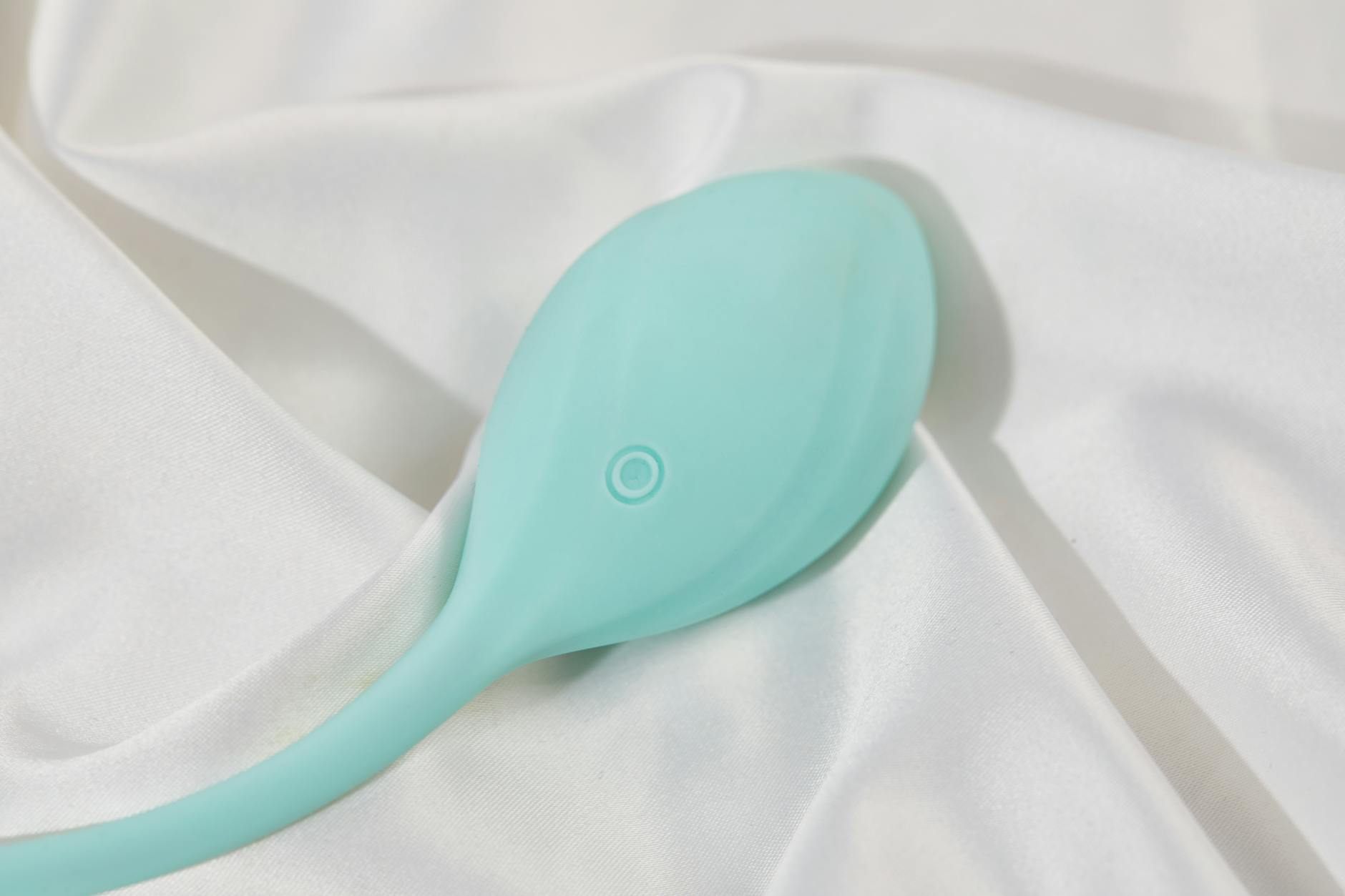
Clitoral suction toys work differently. Lemon vibrators, like the Lem, use gentle suction and pulsing patterns instead of aggressive vibration. This means:
- Less direct pressure on healing or sensitive tissue
- Stimulation that builds gradually and works with your body's natural arousal (not against it)
- A sensation that many postpartum people describe as "finally feeling like pleasure again"
The difference is neurological, not just physical. Suction activates different nerve pathways than vibration, and for postpartum bodies, those pathways often feel more natural.
The timeline that actually matters
Your doctor clears you for penetrative sex at six weeks. Clitoral pleasure is a completely different conversation. Here's what I typically recommend to clients:
Weeks 0-4: Focus on non-sexual touch and connection with your partner. Hands, mouth, whatever reconnects you without agenda. If you want solo exploration, that's fine, but keep it gentle and without toys.
Weeks 4-8: If you're feeling curious, external toys are fine. Start with something simple. A lemon vibrator on the lowest setting, solo, with no pressure to orgasm. This is about reacquainting yourself with sensation, not about performance.
Weeks 8-12: Most people are ready for partnered intimacy by now, or at least the idea of it. If you want to explore lemon vibrators with a partner, this is the window when it often feels less overwhelming.
Weeks 12+: Your body has adjusted. Pleasure capacity usually returns. This is when you can experiment with patterns and intensity without worrying that you're hurting yourself.
This timeline isn't rigid. Some people want nothing to do with pleasure toys for six months. Others are ready by week six. The point is: there's no rush, and there's no "normal."
How lemon vibrators fit into postpartum recovery specifically
Clitoral suction toys like lemon vibrators offer three things postpartum bodies need. First, they're low-pressure introductions to pleasure. You're not forcing anything; you're gently inviting sensation back. Second, they work with hormonal changes instead of requiring your body to respond like it did before pregnancy. Third, they're simple enough that you can use them while exhausted and distracted, which, let's be honest, is the default state postpartum.
If you're using a lemon vibrator solo, start with pattern one on the lowest suction level. Five to ten minutes of exploration is enough. You're not trying to orgasm; you're checking in with sensation. Many postpartum people report that their first orgasm with a clitoral suction toy comes as a surprise because they weren't chasing it.
If you're using one with a partner, the dynamic shifts. Your partner can hold it, which means you're not managing another object. It's one less thing to think about when your brain is already scattered. Some partners find that using a toy together actually eases the pressure they feel, because now it's not about them performing the entire experience.
What changes in your pelvic floor and why it matters
Your pelvic floor sustained trauma during birth. Tissue stretched, maybe tore, definitely shifted. Even if it heals perfectly, the relationship between your brain and those muscles has changed. Some people feel numb; others feel hypersensitive.
This is why pelvic floor physical therapy exists, and why it matters more than toy choice. A good pelvic floor PT can assess what actually happened and design a recovery plan specific to your body. That said, clitoral suction toys can complement that work. Gentle stimulation can help reconnect neural pathways. Orgasm (when it comes) actually helps retrain pelvic floor coordination, because orgasm involves a specific sequence of pelvic floor contractions.
The thing lemon vibrators don't do is force pelvic floor engagement. Some vibrators create a reflex contraction that can feel good but doesn't teach your pelvic floor anything. Suction works more gently, which means your pelvic floor responds naturally without being pushed into patterns it's not ready for.
The emotional piece that overrides the physical
Here's what I see most often in my therapy practice: the physical recovery from childbirth is usually faster than the emotional one. Your body is ready for pleasure before your mind believes you deserve it.
Postpartum, you've spent months being touched constantly by your baby, in ways you never consented to and often can't control. The idea of more touch, even pleasure-focused touch, can feel suffocating. Or you feel guilty for wanting it, because you're "supposed" to be focused entirely on your baby. Or you want it, but you don't have the mental space to enjoy it because you're worried about the baby monitor, the laundry, whether you fed the cat.
Lemon vibrators don't solve this. But they can help by being low-friction, low-expectation tools. You can use one for two minutes while your partner watches the baby. You can use one alone while your kid naps, knowing you don't have time for a long session, and that's fine. The suction does the heavy lifting; your brain doesn't have to.
The bigger work is permission. You deserve pleasure. Your body deserves to feel good. This isn't selfish; it's maintenance. Think of it the way you'd think about showering or sleeping when you can. It's not luxury. It's recovery.
When to reach out for more support
If you're six months postpartum and intimacy is still painful, something needs attention. Pain during or after using a toy isn't normal, even postpartum. A pelvic floor PT can usually identify whether it's tissue tightness, scar tissue restriction, or something else. Most of these things are fixable.
If you have zero interest in pleasure and it's been more than six months, talk to someone. Postpartum depression and anxiety kill libido in ways that toys can't fix. A therapist, your OB, or a reproductive psychiatrist can help you figure out what's actually going on.
If your relationship has fractured because of the postpartum period, a couples therapist is more valuable than any toy. Lemon vibrators are tools for reconnection, not repairs.
FAQ: What postpartum people actually ask me
Is it safe to use a clitoral vibrator after tearing or episiotomy?
Once your stitches are fully healed (usually 3-4 weeks), external clitoral stimulation is fine. Suction is gentler than traditional vibration because it doesn't involve direct friction. Start with low suction and short sessions. If anything feels sharp or burning (not just pressure), stop and talk to your doctor.
Will using a lemon vibrator help me feel pleasure again?
Not automatically, but it removes a common barrier. Postpartum bodies often respond better to suction than vibration. That said, pleasure also requires mental space, hormonal recovery, and emotional readiness. The toy helps, but it's not the whole story.
Can I use a clitoral suction toy if I'm breastfeeding?
Absolutely. Clitoral suction doesn't involve hormones and won't affect milk supply. The only thing to watch is that you're hydrating well and not adding more exhaustion on top of an already depleting situation. If you're using a toy and it's stressing you out, skip it.
How do I bring this up with my partner?
Honestly. "My body feels different postpartum, and I want to explore what feels good now. I found that clitoral toys might help. Would you be interested in trying this together?" That's it. If your partner responds with shame or reluctance, that's a bigger conversation about your relationship, not about the toy.
What if I still don't want intimacy after using a lemon vibrator?
Then you don't want it. Toys aren't magic wands. If you're not interested in pleasure right now, that's valid. Postpartum is not the time to force yourself. But if you're interested but struggling, toys can help. If you're not interested and it's causing relationship strain, that's worth exploring with a therapist.
Is it normal to feel disconnected from my body postpartum?
Completely normal. Your body spent nine months adapting to pregnancy, then labour or surgery, then postpartum recovery. It makes sense that you feel like a stranger in it. Gentle, pleasure-focused touch (with a toy or a partner) can help you reconnect, but only when you're ready. There's no timeline.
The path back to yourself
Postpartum recovery isn't just about your pelvic floor or your hormones. It's about remembering that you're a person with desires, not just a caretaker. Clitoral suction toys like lemon vibrators can be part of that remembering. They're low-pressure, they work with your postpartum body instead of against it, and they signal to yourself that pleasure still matters.
Your body will keep changing. That's okay. What matters is that you get to explore it on your own timeline, with tools that make sense for where you are now. If you want support navigating postpartum intimacy with your partner, that's what I'm here for. Reach out anytime.