Let's talk about the relationship that's gone quiet
You've been together for five, ten, fifteen years. You still love each other. You probably still find each other attractive. But somewhere between the mortgage, the kids, the job stress, the pandemic, and the slow accumulation of unresolved conflict, sex stopped happening. Or it happens so rarely that it feels like an obligation when it does. You're not fighting about it. That might be the problem.
This isn't a dead relationship. It's a paused one. And couples who can pause without spiraling into shame often come back stronger. But pause requires a restart button.
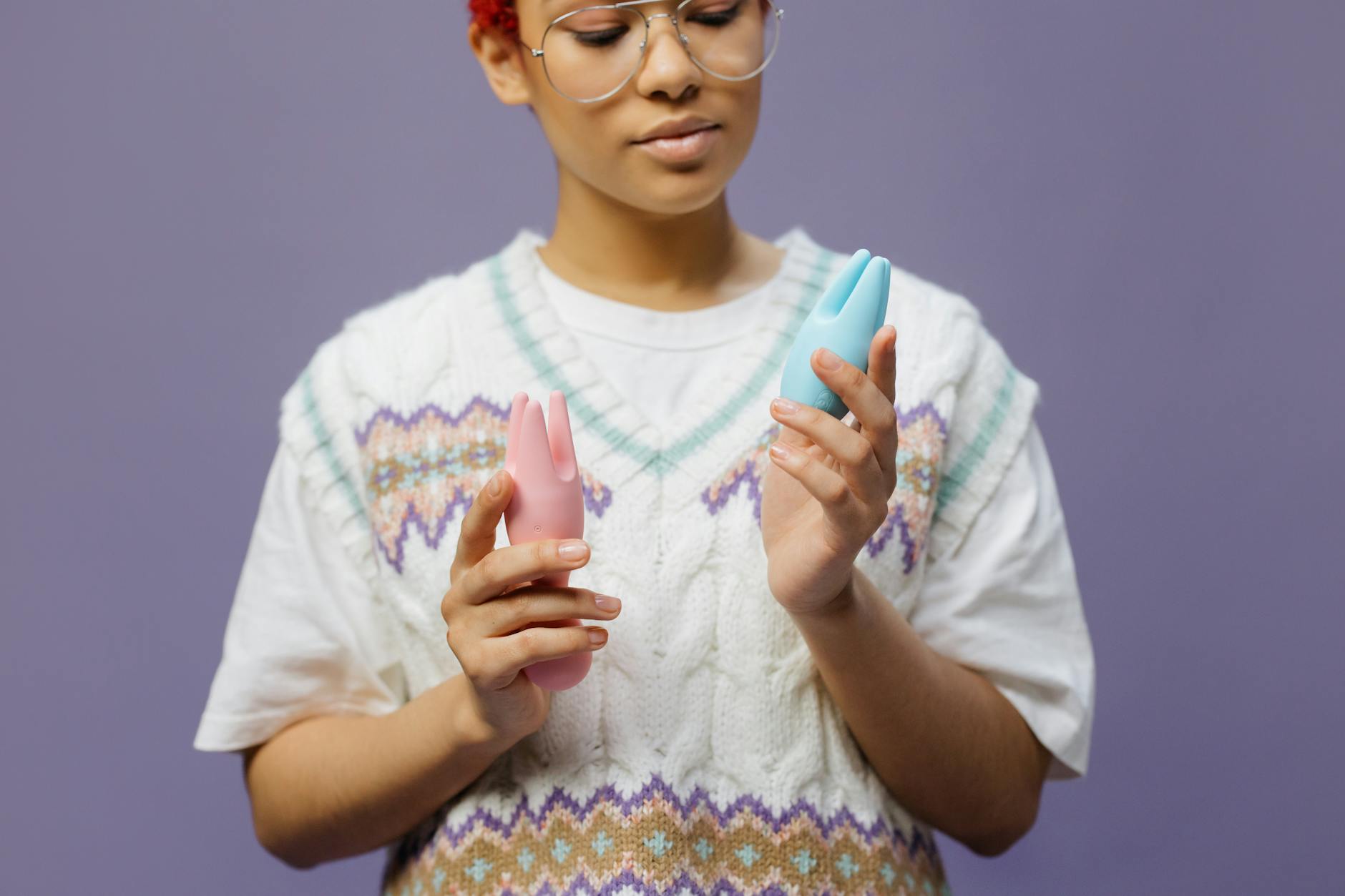
Lemon vibrators and other clitoral vibrators aren't the restart. Communication is. But here's what they actually do: they interrupt the pattern long enough for something real to happen again.
Why traditional advice fails here
If you've googled "how to rebuild intimacy in long-term relationships," you've probably seen some version of this: schedule date nights, make eye contact, talk about your feelings. All useful. All also nearly impossible to execute when you haven't touched each other in months.
There's a reason. Sex and emotional intimacy are wired together, but they're not the same circuit. You can have great conversations and still not want to touch your partner. That's not a character flaw. That's just how bodies work after years of avoidance. The touch receptors get rusty. Desire atrophies. One person initiates, gets rejected (or just stops trying), and now there's shame layered on top of the distance.
Here's what research from the Gottman Institute shows: couples who reintroduce physical touch outside the pressure of sex recover faster than couples who try to have "the talk" first. Not because talking doesn't matter. Because touch resets the nervous system. A lemon vibrator or clitoral suction toy creates that reset without the performance anxiety of partnered sex.
The practical mechanics of using a lemon vibrator as a relationship tool
Let me be specific about what I mean.
First scenario: one partner has lost desire, often the partner with a vulva. They're exhausted, touched out, or disconnected. They don't want to be touched by their partner yet. A lemon clitoral vibrator used alone (or in front of a partner, if that feels comfortable) does three things. It reminds the body that pleasure is real. It interrupts the shame spiral of "I don't want my partner." And it sends a signal: I'm interested in my body again. I'm willing to try.
Second scenario: both partners want reconnection but don't know how to start without it feeling awkward or obligatory. Introducing a lemon sexual toy as an exploration tool rather than a solution shifts the dynamic. It's not "we need to fix our sex life." It's "let's try something new together." The novelty and curiosity can function as an actual aphrodisiac.
Third scenario: one partner wants more frequent sex than the other. Instead of a binary of "yes, let's have sex" or "no, I'm too tired," a lemon vibrator allows for a middle path. Maybe they use it together, maybe one partner uses it while the other is present, maybe they use it solo and reconnect afterward. It's not a replacement for partnered sex. It's a bridge to it.
The key is that no one is performing. No one is being asked to want something they don't want yet. That removes the resentment.
How to have the conversation without making it worse
Introducing a lemon vibrator requires a conversation, but it's a different conversation than "our sex life is broken." Frame it this way:
"I've been thinking about us. About how we used to touch more, and how I miss that. I know we're both busy and tired. I don't want to pressure you, but I also don't want us to stay this stuck. There's this thing I read about that some couples try when they want to reconnect. I'm wondering if you'd be open to exploring it together, with no pressure. It might feel weird at first. But I think it could help."
That framing does several things. It names the problem without blame. It acknowledges the real obstacles (fatigue, time). It introduces the tool as something intentional, not desperate. And it asks for consent and openness without demanding a yes.
The partner might say no. That's real information. It might mean they're checked out in other ways, or they're dealing with their own desire issues, or they're not ready. If no is the answer, you need to know that and address what's actually happening in the relationship. That's when couples therapy becomes relevant.
But often, the answer is "okay, I'm a little nervous, but let's try." And that opens a door.
Why lemon clitoral vibrators specifically
Let's be specific about the technology here. Lemon suction vibrators like Hello Nancy's clitoral vibrators work differently than traditional vibrators. They use gentle suction and pulsing patterns instead of direct vibration. For couples reconnecting after a long pause, that matters.
Direct vibration can feel intense or even uncomfortable if desire has been dormant for months. The body's sensitivity threshold shifts. Suction stimulation feels more like touch. It mimics the sensation of oral sex, which many people find more intimate and less mechanical than a buzzing vibration.
That psychological difference is huge in a relationship context. A lemon vibrator feels like an extension of affection, not a toy. Your partner is more likely to want to be present and involved.
The anatomy of how this actually rebuilds intimacy
Let me walk you through what usually happens when couples introduce a lemon sexual toy intentionally.
First few times, awkwardness. That's expected. The body doesn't know how to respond. There might be laughter, which is actually good. Laughter is a nervous system reset.
Then, usually within three to five times, something shifts. The partner using the toy starts to experience pleasure they haven't felt in years. They relax. Their breathing changes. The watching partner sees their spouse experience genuine feeling, and something in them softens. This is not analysis. This is observation. Presence. You're with each other again.
Then the questions start. "Did that feel good?" "What was that like?" "Can I touch you after?" Suddenly there's conversation about pleasure that doesn't feel defensive or obligatory.
The next step is touch. Sometimes hand-holding while using the toy. Sometimes the partner applying the lemon vibrator. Sometimes moving toward partnered sex, sometimes not right away. But the nervous system has been reminded that touch is safe, that pleasure is possible, that you're interested in each other's bodies.
In my practice, couples who introduce a tool like this almost always report that the tool itself becomes less important over time. It's the restart button. Once intimacy is moving again, many couples drift back to partnered sex without the toy. Some keep it. The point isn't the device. The point is momentum.
When to know this approach isn't enough
If you've introduced a lemon clitoral vibrator and one partner is still avoiding, or if the conversation about it triggered a bigger relationship problem, that's information too.
Sometimes the pause in sex isn't about exhaustion or habit. It's about resentment, control, or unprocessed hurt. A toy can't fix that. You need a couples therapist. Someone trained in Gottman Method or Emotionally Focused Therapy (EFT) can help you name what's actually happening beneath the surface.
The other thing to watch: if one partner is pressuring the other to use a lemon vibrator or clitoral suction device against their genuine discomfort, that's a consent issue. The tool should feel like an option, not a demand. If it feels like a demand, the relationship problem is bigger than missing sex.
But for most couples who have drifted and want to find their way back? A conversation, a small amount of intentionality, and a well-designed lemon vibrator can be the beginning of something real.
FAQ: Your questions about lemon vibrators and long-term relationships
Can using a lemon vibrator alone actually help if your partner feels distant?
Yes, often. When you reconnect with your own body's capacity for pleasure, something in your nervous system settles. You stop carrying the shame of not wanting your partner. That shift is subtle but observable. Your partner often notices it before you do. Pleasure is magnetic. When you're experiencing it, even alone, it changes how you move through the relationship.
Should I ask my partner before I use a lemon clitoral vibrator alone, or is that private?
That depends on your relationship agreements around privacy and secrecy. Some couples maintain privacy around masturbation. Some don't. The rule I use: if you're hiding it because you're ashamed, address the shame. If you're just respecting boundaries around privacy, that's fine. But if your partner finds out and feels hurt or excluded, you have a conversation to have. Often the concern is less about the toy and more about feeling left out of your sexual life.
How long before we see improvement if we start using a lemon vibrator together?
Some couples feel a shift in a single session. Some take weeks. The nervous system needs time to trust again. My guideline: commit to trying at least five times with no expectation of outcome. Make it low-pressure. If it becomes another obligation, stop and reassess. If you're feeling any movement or curiosity after five tries, keep going.
What if I bring up a lemon clitoral vibrator and my partner gets defensive?
Defensiveness usually means you've triggered something that goes deeper than the toy. They might feel insulted ("am I not enough?"), scared ("does this mean you want to leave?"), or just overwhelmed. The response isn't to push the toy. It's to pause and ask: "What came up for you just then?" Sometimes what comes up is the real conversation you need to have.
Is there an age or relationship length where lemon vibrators work best for reconnecting?
No. I've seen couples in their 60s who reconnected using them after a decade of nothing. I've seen couples married 18 months who had drifted and found their way back. The factor that matters isn't duration or age. It's whether both people want the relationship to work and are willing to try something that might feel uncomfortable. If those two things are true, the tool works.
Can a lemon vibrator fix a relationship that's actually over?
No. A vibrator can't fix infidelity, contempt, or a fundamental mismatch in values. It can help couples who love each other but have lost touch. If you're using a vibrator hoping it will fix a broken relationship, you're looking for the wrong solution. You need honest conversation or professional help first. The tool comes after you've committed to trying.
What comes after the restart
Intimacy, once you rebuild it, needs maintenance. That doesn't mean constant sex. It means touch. It means attention. It means checking in about desire and pleasure without shame.
Some couples use a lemon vibrator as part of that maintenance. Some don't. Both are fine. What matters is that you've proven to each other that you're willing to be uncomfortable for the sake of the relationship. That willingness changes everything.
Your long-term relationship doesn't have to stay paused. It just needs permission to restart. Sometimes that permission comes from a conversation. Sometimes it comes from a small, well-designed tool and the courage to try something new together.