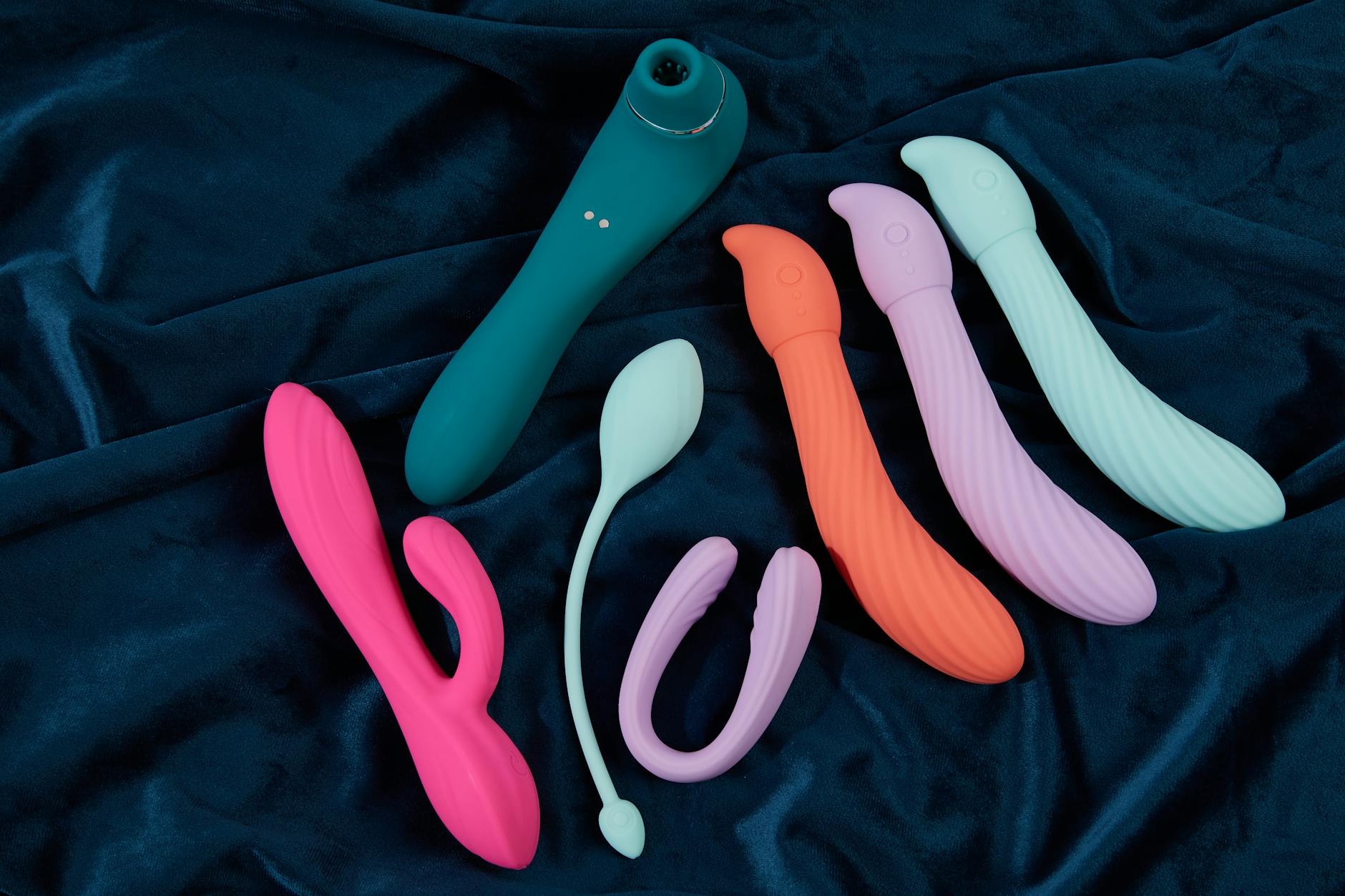
The elephant in the room
Let's be real. You want to introduce a lemon vibrator to your partner. But they've already made a comment. "Isn't that emasculating?" or "Does that mean I'm not doing it right?" or the quieter version: they go silent when you bring it up.
This is one of the most common relationship friction points I encounter in my practice, and it's solvable. But it requires understanding what's actually happening underneath the anxiety.
What your partner is really worried about
It's almost never about the toy itself. It's about what they think the toy means. They're hearing: "You're not enough." They're imagining you secretly wishing for something different. They're afraid that adding anything to sex is a sign the relationship is broken.
None of that is true, but the worry is real. And trying to logic someone out of an emotional belief ("But you ARE enough!") only makes them dig in harder.
The shift that works is reframing the lemon vibrator from "replacement" to "amplifier." From "you need this because I'm not satisfied" to "this is a tool that makes what we already do together even better."
Here's the distinction: a replacement suggests scarcity. An amplifier suggests abundance. Your partner's brain will respond to the second one.
Start the conversation outside the bedroom
This is non-negotiable. The worst place to mention a clitoral vibrator is when you're both already undressed. You're vulnerable. They're vulnerable. The stakes feel higher. Everything gets interpreted through an anxious lens.
Instead, pick a neutral moment. Over coffee. On a walk. When you're both calm and clothed and have time to think.
Your opening: "I've been thinking about trying something new together, and I want to talk about it when we're both relaxed. I'm not unhappy. I actually really like what we do. But I read that a lot of couples find lemon vibrators make things feel really different. I want to try one together, and I want you to feel good about it."
Notice what's happening here. You're naming the desire. You're reassuring about the current state. You're positioning this as a team activity, not a solo experiment.
Address the "Am I not enough?" fear directly
If your partner goes quiet or defensive, don't move past it. Say this: "I notice you got quiet. I want to be clear about something. This isn't about you being enough. I'm attracted to you. I like how we connect. This is about exploring something that research shows makes orgasms feel different, and I want to experience that with you."
Then stop talking. Let them sit with it. Defensiveness often softens when someone realizes you're not attacking them.
If they say something like "So I'm not doing it right?" the answer is: "That's not what this is. Your body works one way. A clitoral vibrator works differently. Neither is right or wrong. I want us to experience both. Together."
That last part matters. Together. If they think this is something you're doing alone, the anxiety spikes. If they understand this is shared exploration, the frame changes.
Show them how it works (without pressure)
Bring the toy out when you've both agreed to try it. Don't surprise them mid-sex. Show them how it feels on your own arm or wrist first. Make it clinical and matter-of-fact. "Okay, so this pattern is gentle. This one is more intense. You control the power. You can turn it off anytime."
That last sentence is important. Your partner needs to know they have agency. They're not being pressured into anything. If you're new to how lemon clitoral vibrators work, they're suction-based, not vibration-based, which actually makes them feel gentler and more nuanced than traditional vibrators.
Then ask: "Do you want to try it on yourself, or do you want me to use it on you?" Let them choose. That small choice restores a sense of control that anxiety erodes.
The first time is not the time to go deep
Keep the first session short. Five to ten minutes. Use it on low. Don't make it the main event. Let it be an experiment, not the centerpiece of your sex life.
Your partner will be hyper-aware of how they're feeling. Are they self-conscious about how their body responds? Are they overthinking it? Are they waiting for it to feel as amazing as everyone says? All of that is normal first-time noise. It doesn't mean the toy doesn't work or that they made a mistake by trying it.
Afterward, ask: "How did that feel?" and actually listen. Don't correct their answer or oversell the experience. "It felt weird" is okay. "It felt good" is great. "I want to try again another time" is perfect.
If they seem reluctant, give it space. Don't bring it up for a week or two. Let the anxiety settle. Then try again.
What changes when they actually enjoy it
Here's what usually happens after the initial awkwardness fades: your partner's relationship to their own pleasure shifts. They start to understand that sensation is more nuanced than they thought. They realize their body is capable of responses they didn't expect. They often feel less defensive about pleasure in general.
And your relationship usually strengthens, not because the sex is more intense, but because you've done something vulnerable together. You've said "I want us to explore this," and they said yes even though they were scared. That's intimacy. That's trust.
If your partner is navigating low libido during relationship transitions, introducing a clitoral vibrator can actually help rebuild desire because it removes pressure and focuses on pleasure independently of performance anxiety.
The biggest mistake couples make
They use a lemon vibrator as a band-aid for a bigger communication problem. If you introduce a toy hoping it will fix emotional distance, it won't. It might help. But it's not a substitute for talking about what's actually missing.
If your partner is self-conscious, that's often a signal that deeper conversations need to happen. About desire. About how they see their body. About what pleasure means to both of you. The toy becomes easier once those conversations exist.
When to seek support
If your partner is persistently hostile about the idea, or if introducing a toy becomes a power struggle, that's a sign you both might benefit from talking to a couples therapist. Not because anything is wrong with wanting to explore together, but because the anxiety underneath suggests there's hurt that needs attention first.
I've worked with countless couples where resistance to a new toy was actually resistance to feeling desired. Or fear that pleasure was selfish. Or worry that their partner was losing interest. Those are real things that need real conversations.
Introducing a lemon vibrator to a self-conscious partner isn't about the toy. It's about showing them that you want to build pleasure together. That their body deserves attention. That exploration is safe with you. Once they feel that, most of the resistance melts.
People also ask
What if my partner refuses to try a lemon vibrator?
Respect that boundary. You can't want someone's pleasure more than they want it themselves. What you can do is ask what the real fear is. Is it about masculinity? About how their body looks? About past experiences? Once you understand the root, you can address it in a way that actually lands. Sometimes that takes professional support. That's not a failure. That's wisdom.
Are lemon vibrators really better for sensitive clits?
They work differently than traditional vibrators. A lemon suction vibrator creates gentle suction rather than direct vibration, which means less jarring intensity. That's often better for sensitive nerve endings. That said, every body is different. Some people prefer direct vibration. The best approach is trying and paying attention to what your partner actually enjoys, not what you think they should enjoy.
How do I know when my partner is ready to try one?
When they're asking questions instead of shutting down. When they're curious instead of defensive. Sometimes you have to plant the seed and wait months for it to grow. Don't rush it. Forced exploration isn't really exploration.
Can using a lemon vibrator with my partner improve our sex life?
It depends on what's broken. If the issue is physical sensation or arousal speed, absolutely. If the issue is emotional distance or resentment, it helps but won't fix it alone. Be honest about what you're both really looking for. Usually it's not just better orgasms. It's feeling closer. It's being brave together. Those things matter more than any toy.
What if my partner is embarrassed about using a toy?
Embarrassment usually fades with repetition and privacy. Make sure you're not mentioning it to friends, obviously. Make sure they know you see this as normal. Make sure you're not laughing or teasing. And give time. What feels weird on day one feels routine on day five.
Is it normal for my partner to feel insecure about a lemon vibrator?
Completely normal. Men especially are often taught that their body alone should be enough. Women often carry shame about pleasure. Cultural messaging is powerful. Your partner's insecurity isn't irrational. It's just noise they've inherited. Your job is to be patient while they rewire that belief system.
The actual takeaway
Your partner's self-consciousness isn't a problem to overcome. It's information. It's telling you what they need to hear: that you want them, that you're not judging them, that pleasure is good and safe with you.
Introduce a lemon vibrator as an invitation, not a solution. Make it team experience. Address the fear underneath the resistance. Give it time. And watch what happens when someone you love realizes that their pleasure matters just as much as yours.
If you're ready to try, start with the conversation. The toy comes after trust.