The comparison trap nobody talks about
Here's the thing about being single after a relationship: your body remembers. Not just physically, but mentally. You've got a whole library of reference points, and when you're alone, your brain can't help comparing what you're feeling now to what someone else did, how they touched you, what patterns worked.
The problem is that comparison kills solo pleasure faster than almost anything else. It's the mental equivalent of putting your hand on the brakes every time you start to feel something good.
Why your past becomes a ghost in the room
When you've had a partner for years, pleasure gets tangled up with them. It's not just about sensation anymore. It's about the rhythm of their body, their response to your response, the specific way they knew to touch you. That's not bad. That's actually how intimacy works.
But here's what's tricky: once they're gone, your body can get stuck waiting for that external input. Solo pleasure feels different because it IS different. You're not building off someone else's energy. You're not being touched from outside in. You're creating the whole experience alone, which requires a different kind of presence, a different muscle.
Your brain interprets "different" as "less good." That's the comparison talking, and it's usually wrong.
The science of novelty and solo sensation
When you transition from partnered to solo pleasure, your nervous system is essentially learning a new language. That's not failure. That's actually an opportunity.
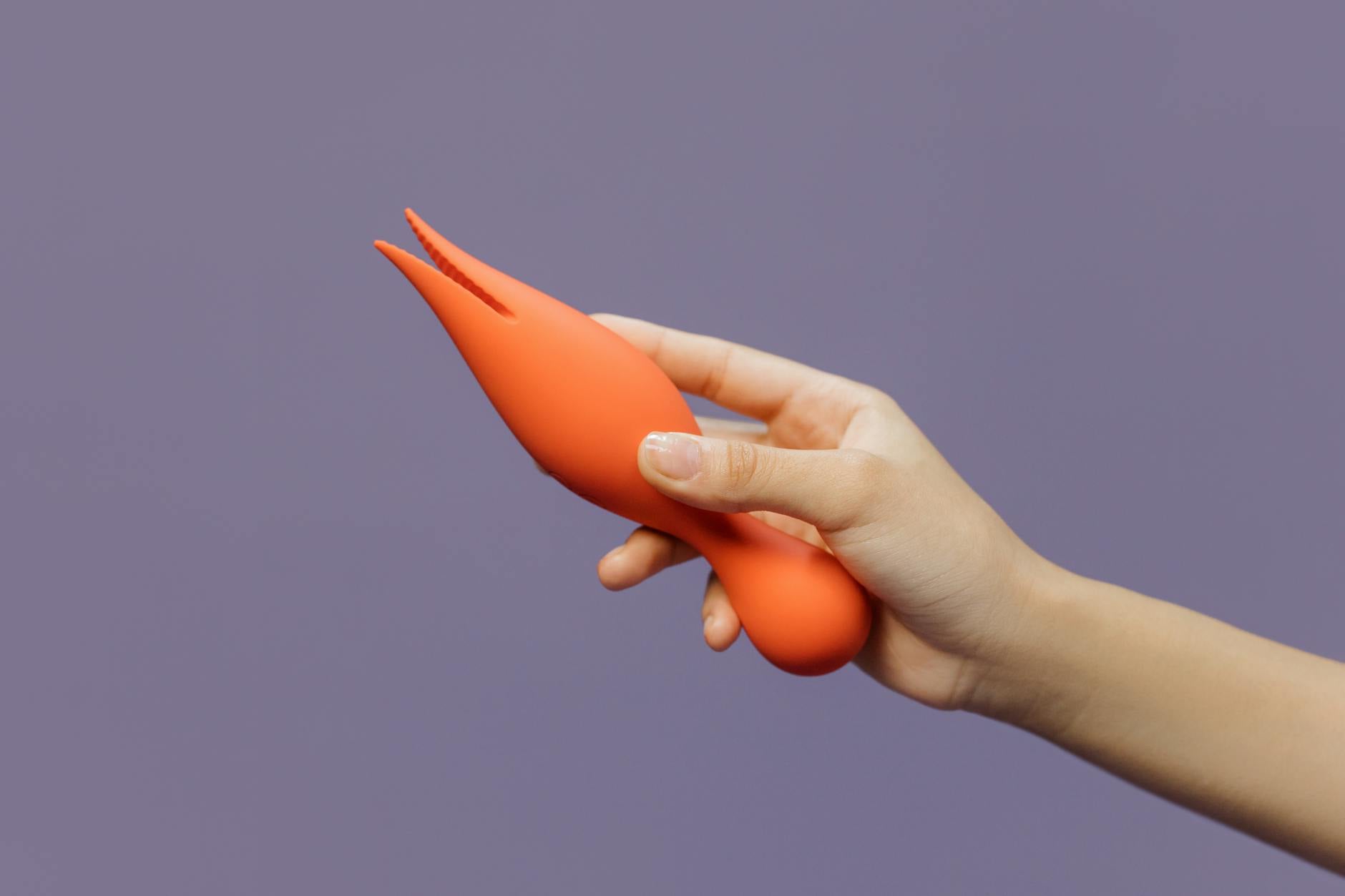
Lemon clitoral vibrators, particularly ones like the Lem vibrator, work differently than a partner's hand or body. They deliver consistent, focused stimulation without the variables of another person's attention span or technique. For someone used to partnered pleasure, that consistency can feel cold at first. But there's a neuroscience reason to lean into it.
Your clitoris has about 8,000 nerve endings, and they respond to sustained, predictable stimulation in ways that can actually feel more intense than the stop-start rhythm of partnered sex. The Lem vibrator's air-pulse technology is especially useful here because it mimics the suction and release pattern that works on the whole clitoral complex, not just the surface.
That's not a replacement for your ex. That's a completely different sensation, and your brain needs permission to like it on its own terms.
How to reset your expectations before you start
This is the mental work that actually matters. Before you even use a lemon vibrator, you need to break the comparison habit.
Think of it this way: when you start a new job, you don't measure success by how quickly you worked at the old job. You learn the new role first. Your body deserves the same grace.
Set a specific intention before your session. Not "I want to feel how I used to feel" but something like "I want to discover what solo pleasure feels like now." The difference is tiny and enormous.
Second, give yourself permission to change your mind about what turns you on. Single you might have different triggers than partnered you. Maybe you need more visual stimulation now. Maybe you need to slow down when you used to speed up. That's not degradation. That's growth.
How lemon vibrators specifically help break the comparison loop
There are three reasons lemon sexual toys work particularly well for this transition.
First, they're immediately different. You can't accidentally compare using the Lem vibrator to partnered touch because there's nothing similar about it. It's not a hand. It's not friction. It's suction and pulsing at a frequency you can't replicate. That immediately pulls you out of the "this isn't as good as" mindset and into "what is this."
Second, they put you in control. No waiting for someone else to respond. No worrying about their rhythm or pleasure. You set the pattern. You set the speed. You decide when to slow down or stop. That autonomy is therapeutic for someone healing from a breakup, and it's also just genuinely hotter when you're not negotiating sensation with another body.
Third, they're consistent. Lemon clitoral vibrators deliver the same intensity every single time you use them. Your brain can stop predicting and start relaxing into the experience.
Practical steps to use a lemon vibrator without the comparison ghost
Start in a new physical space if you can. Your bedroom probably has memories baked into it. Not necessarily bad memories, but they're there. If moving rooms isn't realistic, change something visible. New sheets. Different lighting. Close the curtains you usually left open.
Lower your expectations about what "success" looks like. You don't need an earth-shattering orgasm. You don't need to come at all on the first few sessions. You're gathering data about what your solo body responds to now. That's all.
Give yourself at least five sessions before you assess whether a lemon vibrator is working for you. Your nervous system needs that many reps to stop bracing for comparison and start relaxing into novelty.
When you feel the "this isn't like when" thought arise, name it and release it. "I'm comparing. That's not useful here." Then redirect your attention to what you're actually feeling. Pressure. Warmth. Rhythmic sensation. Stay specific and sensory.
Consider keeping a quick note about what works. Not to measure yourself against, but to notice patterns. Maybe you respond better to lower settings in the morning. Maybe you need more foreplay when you're tired. That's the science of your body, not evidence you're doing it wrong.
When to reach for external support
If comparison is tangled up with deeper grief or loss about the relationship itself, a lemon vibrator isn't going to solve that. That's where actual therapy or coaching comes in. Solo pleasure is a joy. It's not a cure for heartbreak.
But here's what I've found: rebuilt solo pleasure is often the gateway to healing. When you reclaim sensation as something that belongs to you alone, you're reestablishing ownership of your body. That has ripple effects everywhere.
The long game: building solo pleasure that isn't about anyone else
Single pleasure taken seriously is a practice, not an event. You're rebuilding the neural pathways between your brain and body that got configured around another person. That takes time and gentleness.
Lemon clitoral vibrators like the Lem vibrator help because they're tools designed purely for your sensation. No negotiation. No performance. No accommodating another body. Just you and a device that does exactly what it's designed to do.
The comparison voice will get quieter. It might not disappear entirely, especially in moments of vulnerability or loneliness. But you'll have evidence, session after session, that what you feel alone is real and good and entirely your own.
That's the foundation for everything that comes after. Whether you stay single or eventually partner again, solo pleasure that exists on its own terms is non-negotiable.
FAQ: Solo pleasure, comparison, and lemon vibrators
Is it normal to feel like solo pleasure is "lesser" after being partnered?
Completely normal. Partnered pleasure is external validation. Your partner's response tells you something feels good. When you're alone, you don't have that feedback loop. Your brain interprets silence as failure. It's not. It's just different input. The sensation is still happening in your body. You're just learning to trust your own assessment of it.
How long does it take to stop comparing to a past partner?
That's not a vibrator question. That's a grief question. Using a lemon vibrator won't erase your ex. But it can create new neural pathways around pleasure that aren't entangled with them. For most people, that takes anywhere from three months to a year of consistent practice. And that's okay.
Can lemon vibrators work if I feel numb or disconnected from my body?
Yes, but start slow. Numbness often comes with breakups because you're protecting yourself. A lemon clitoral vibrator's air-pulse pattern can actually wake up sensation because it's so different from what your body might expect. Start at the lowest setting and spend time just noticing. Tingling. Pressure. Warmth. Sensation without judgment. That's enough.
If I use a lemon vibrator solo, will it be harder to feel pleasure with a partner later?
No. The opposite, actually. You're teaching your nervous system that you know what you like. That makes partnered pleasure easier because you have language for your body. You can guide a partner. You can ask for what works. That's way more likely to lead to good partnered sex than staying silent and hoping they guess.
What if I feel guilty using a lemon vibrator because it feels like "moving on"?
Moving on isn't betrayal. It's honoring your own capacity for pleasure. You're not disrespecting the past relationship by caring for your body now. You're respecting yourself. That's different.
Should I use a lemon vibrator every day while I'm healing from a breakup?
Use it when you want to, not as medicine. If it feels like obligation, take a break. If it feels like joy, do it. Solo pleasure is a privilege, not a responsibility. The point is ownership, not frequency.
References and further reading
Gottman, J. M., & Silver, N. (2015). The Seven Principles for Making Marriage Work. Harmony Press. (On how neural patterns form in relationships and transition after breakup)
Emanuele, E., Caracciolo, S., Minoretti, P., & Geroldi, D. (2006). Increased plasma oxytocin levels in women after erotic sexual stimulation. Neuropsychobiology, 52(3), 144-148.
Barclay, L. (2012). The role of pleasure in sex education and sexual health. British Medical Journal Sexual and Reproductive Health, 38(3), 152-158.