What actually happens to your body after long-term illness
Long-term illness changes more than just energy levels. Your nervous system has been in a different state for weeks or months. Your pelvic floor tightens without you noticing. Your brain's reward circuits have been quiet. And then one day you think, "Maybe I want sex again," and your body says, "Slow down, we're not ready for that yet."
This isn't failure. This is your nervous system being cautious, which is exactly what it should be doing.
Here's the thing: pleasure pathways in your brain are still there. They haven't disappeared. But they've been dormant, and waking them up requires a completely different approach than what worked before you got sick. This is where most people go wrong. They expect their bodies to respond like they used to. When that doesn't happen immediately, they assume something is broken. It's not. It just needs a specific kind of reintroduction.
Why lemon vibrators work better than other options during recovery
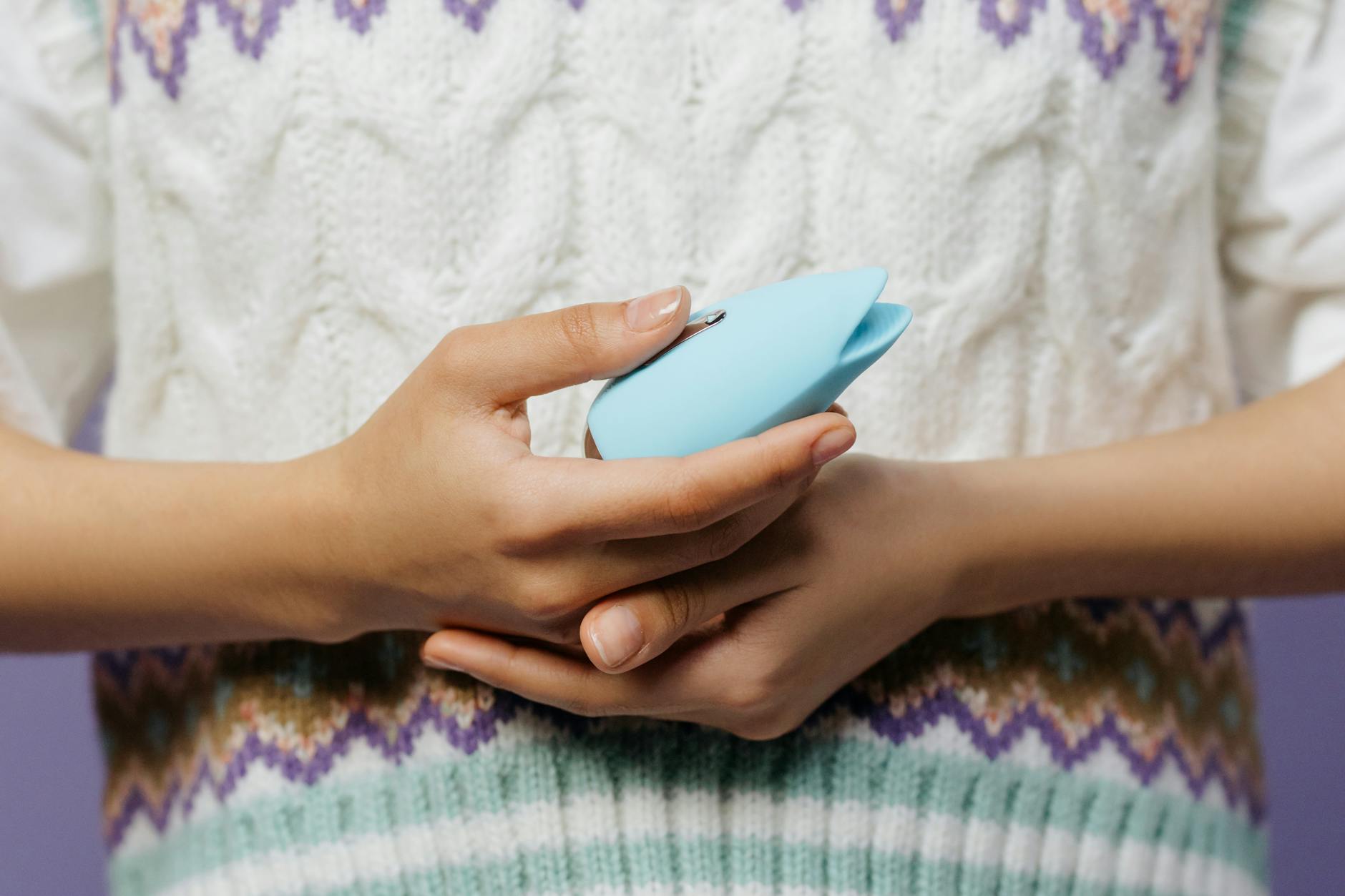
When you're rebuilding sensation after illness, the wrong tool can actually set you back. Wands are too intense. Vibrators with aggressive patterns overwhelm a nervous system that's still recalibrating. But lemon clitoral vibrators like those from Lems Sex Toy have a particular advantage: the suction-based pattern creates stimulation without aggressive vibration.
The science is straightforward. Suction engages nerve endings differently than direct vibration. It's less jarring, feels less clinical, and allows your body to build arousal gradually. For someone returning to pleasure after illness, that matters. You're not looking for the fastest path to orgasm. You're looking for a sensation that feels welcoming to a body that's been somewhere difficult.
Lem vibrators also offer pattern variety at lower intensities. You can spend weeks at patterns 1 and 2, letting your nervous system acclimate. There's no pressure to "graduate" to harder settings. You move at the pace your body actually needs, not the pace you think you should be on.
The first two weeks: sensation without expectation
Week one and two are about reintroduction, not results. Your job is to explore sensation the way you might explore a new neighborhood. Slowly. Curious. No agenda.
Set aside 15 to 20 minutes where you're alone and won't be interrupted. Low lights, comfortable temperature, clothes off. Don't start with the vibrator immediately. Spend five minutes just touching yourself. Feel your skin. Notice where sensation feels alive and where it feels muted. This isn't foreplay. It's reconnaissance.
Then use the lemon vibrator on the lowest pattern. Not on your clit. On your outer lips, your inner thighs, your lower abdomen. Let your skin remember what suction feels like. Your first session might not produce arousal, and that's completely fine. The goal is simply to expose your nervous system to a stimulus in a low-stakes way.
Repeat this three to four times that first week. Same duration, same pattern. You're building a routine your body can predict and relax into.
Weeks three through six: building the bridge to arousal
Once your body has acclimated to the sensation itself, you can begin introducing it closer to your clitoris. Not directly yet. Side of the clitoris. Just above it. Let your body decide when direct contact feels right.
This is also when you can start extending your sessions. Twenty to thirty minutes. Longer is not always better, but consistency helps more than you'd expect. Your nervous system responds to predictability.
If you're partnered, this is a good time to loop them in if you want to, but only if they understand the goal. This phase isn't about giving them a show or performing arousal. If a partner is involved, they should understand that their role is witnessing comfort, not pushing toward climax. Many partnerships get damaged at this stage because one person expects the other to "get back to normal," and that pressure reverses all the nervous system healing you've been doing.
A good partner says, "I'm here, let me know what feels good," and then waits. They don't make suggestions or try to speed things up.
Why orgasm is not the benchmark
Here's what I see go wrong repeatedly: someone comes back from illness, uses a lemon vibrator, doesn't orgasm, and thinks the tool isn't working. Or worse, that they're broken.
Orgasm is not the benchmark for recovery. Sensation is. Arousal is. The feeling of being present in your body without pain or fear is. Orgasm might come after weeks of this foundation work, or it might take longer. That's not a problem. That's your body being intelligent.
For many people recovering from long-term illness, the first major milestone isn't an orgasm. It's arousal that happens naturally, without effort. It's noticing you think about sex and feel interested, not obligated. That's the sign your nervous system is actually healing.
If you're tracking progress, track interest, sensation, and ease. Not climax.
The role of lube and pacing
Illness often changes how your body lubricates. Medications, dehydration during recovery, hormonal shifts. Add that to nervous system caution, and penetrative sex or even intense clitoral work can feel uncomfortable.
Use water-based lubricant generously, even with a lemon vibrator. It's not a sign of failure. It's smart body care. The suction mechanism in lemon clitoral vibrators works beautifully with lubricant. It doesn't require friction the way other vibrators do.
Pacing is the other piece. Your first orgasm after illness might feel different. Smaller. More localized. Less intense. That's expected. Your body is not back to baseline yet. That doesn't mean anything is wrong. It means your nervous system is being appropriately cautious. Let that happen. The big, full-body orgasms come later, after your body has fully reintegrated pleasure as safe.
When to loop in a healthcare provider
If you're experiencing pain during any of this process, stop and check in with whoever treated your illness. Pain is information. It might mean you need a different recovery timeline. It might mean medication interactions. It might mean your pelvic floor needs specific physical therapy.
If arousal completely flatlines after two months of consistent, gentle exploration, that's also worth mentioning to your doctor. Some medications dampen sexual response, and sometimes there are adjustments that help. You deserve medical support in this.
The emotional layer that matters as much as the physical
Sexual recovery after illness isn't just physiology. It's also the grief of having been somewhere your body didn't feel like yours. The fear that it might happen again. The strange mix of gratitude that you survived and anger at what you lost.
These emotions live in your nervous system too. They make arousal harder. They make orgasm feel distant even when sensation is returning.
If you're partnered, this is worth talking about out loud. Not during sex. During coffee. "I'm rebuilding this, and sometimes I feel sad or scared, and that's not about you." Most partners can handle that honesty. What they can't handle is confusion. What they can't handle is thinking they did something wrong when really your nervous system just needed a break.
If you're solo, write it down. Let yourself feel the full spectrum. Pleasure is returning into a more complicated emotional landscape, and that's real.
FAQ
How long does it typically take to return to normal sexual function after long-term illness?
There's no standard timeline because illness varies wildly. Some people feel ready for exploration within two months. Others need six. The key is that you're asking your body what it needs, not telling it what it should do. Work with your own nervous system's pace, not a calendar.
Can I use a lemon vibrator if I'm still experiencing some physical pain or weakness?
Yes, but with adjustments. Use it on the lowest settings on less sensitive areas first. If any area produces pain rather than sensation, skip it. Pain is a boundary signal. Lems Sex Toy vibrators are gentle enough for recovery, but your body's feedback is the ultimate guide. Pain means pause.
Is it normal to feel nothing the first time I use a lemon vibrator after illness?
Completely normal. Your nerve endings are there, but your nervous system might need a few exposures before it registers pleasure. This is not numbness. This is caution. Keep exploring gently, and sensation typically returns within a few sessions.
Should my partner be involved in this recovery process from the start?
Not necessarily. Solo exploration first gives you a chance to reconnect with your own body without performance pressure. Once you feel ready and have some positive sensation happening, partnered exploration can be beautiful. But rush it, and you'll likely hit frustration instead.
What if I'm not interested in sex after recovery?
That's also valid data. Illness changes you. Sometimes it changes what you want. Give yourself three to four months of gentle exploration before assuming interest won't return. But if it genuinely doesn't, that's not a failure either. It's just who you are now.
Can antidepressants or other post-illness medications affect sexual function during recovery?
Yes. Many medications affect arousal and orgasm. If you notice this, talk to your prescriber. Sometimes there are adjustments or alternatives. This is a medical conversation worth having. Your pleasure matters as part of your overall health.
You're not starting from zero
One last thing: your body hasn't forgotten how to feel pleasure. You're not rebuilding from nothing. You're reintroducing your nervous system to something it already knows. That's different. That's actually faster than learning something entirely new.
Use a lemon vibrator with patience. Trust the process of going slow. Let your partner know what you need. And understand that recovery looks messy sometimes. You'll have sessions that feel great and sessions that feel like nothing. Both are part of it.
Your pleasure matters. Your timeline matters. Your body matters. Everything else is just logistics.