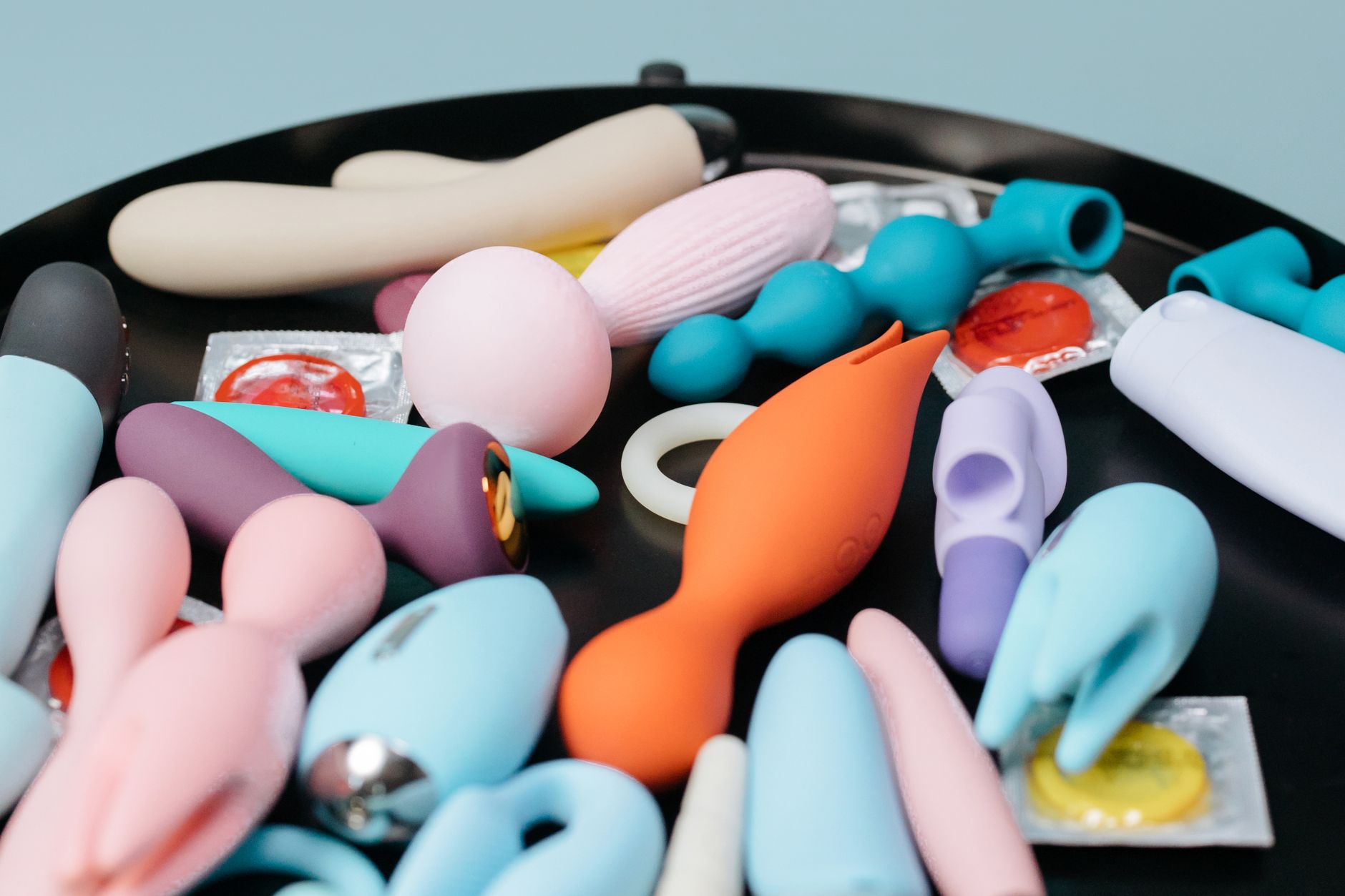
How to Use Lemon Vibrators When You Have Low Sensation After Childbirth
Let's be real: nobody warns you about the numbness. You spend nine months hearing about stretch marks and sleepless nights, but almost no one mentions that your vulva might feel like it's been wrapped in a thick blanket for months after birth. The sensation loss is real, it's unsettling, and it's one of the most common postpartum complaints I hear from people trying to reconnect with their bodies after childbirth.
The good news is that low sensation after birth responds beautifully to gentle, consistent stimulation. And lemon clitoral vibrators are specifically designed for exactly this kind of recovery work. Here's how to use them when your body feels unfamiliar.
Why postpartum sensation loss happens
Your nervous system is overwhelmed. Labor itself stretches tissue, sometimes tears it, and floods your body with inflammatory markers as part of the healing process. Add sleep deprivation, hormonal shifts, pelvic floor tension (from guarding during birth and from the physical trauma of delivery), and general nervous system dysregulation, and your clitoris effectively goes quiet.
It's not permanent damage. It's inflammation and neural downregulation. Your nerve endings are still there. They're just not firing the way they used to.
The pelvic floor also holds massive amounts of tension postpartum, even if you didn't tear. That tension compresses nerves and restricts blood flow to the tissue, which dampens sensation further. It's your body protecting itself. But once it's safe to start waking things up again, the pelvic floor needs to learn to relax as much as the clitoris needs to learn to feel.
When to actually start using toys again
This matters more than you think. The standard medical advice is "six weeks, clear from your doctor." But six weeks is the bare minimum for vaginal healing. Sensation recovery is a different timeline.
I recommend waiting until you're sleeping 4-6 hour stretches (not perfectly, just regularly) and your bleeding has mostly stopped. Usually that's 8-12 weeks postpartum. If you start too early, you're asking a still-inflamed, still-guarded system to perform. It doesn't work, and it can create frustration right when you're already vulnerable.
If you had a C-section, the timeline is similar for sensation work, even though your pelvic floor wasn't stretched the same way. The hormonal and inflammatory pieces are still there.
Start with the lowest setting, always
Lemon vibrators offer multiple intensity patterns and a suction mode that can be adjusted from barely-there to intense. When you're recovering sensation, you're not after intensity. You're after consistency and nerve activation.
Start on pattern 1 or 2. It should feel pleasant but subtle. You're not chasing an orgasm here. You're teaching your nervous system that touch in that area is safe and can feel good again.
Many people expect to feel what they felt before birth on day one of toy use. That's setting yourself up for disappointment. Postpartum sensation comes back in layers. First you notice pressure. Then texture. Then actual pleasure. It takes weeks, sometimes months. That's normal.
The warm-up before the lemon vibrator even comes out
Your pelvic floor needs permission to relax before any external stimulation helps. Spend time touching your thighs, your inner hip bones, your lower belly. Let your brain register that this whole area is yours again, not just a functional zone for feeding or diaper changes.
Warm shower or bath helps. Heat relaxes the pelvic floor more than anything else. Some people find that 10 minutes of just lying in warm water, with no expectation to do anything, shifts their baseline sensation noticeably.
If you're noticing you're holding your breath or clenching your jaw, pause. Your pelvic floor mirrors what your face is doing. Relaxation from the outside in works: relax your jaw, then your shoulders, then notice your pelvic floor releases too.
How to use a lemon clitoral vibrator for sensation recovery
Once you've warmed up your system and your pelvic floor feels slightly less guarded, you can introduce the lemon vibrator.
Start above the clitoris, not directly on it. The vulva as a whole needs to remember sensation. Massage the outer labia, the mons, the clitoral hood. You're not trying to trigger anything. You're waking up nerve endings that have been in sleep mode.
Use a water-based lubricant, even though you might think you don't need it. Postpartum tissue is thinner and more delicate, especially if you're breastfeeding (which drops estrogen further). Lubricant protects the tissue and helps the vibration transmit better. It also tells your brain "this is intentional pleasure," not "this is medical."
Keep sessions short. Fifteen to twenty minutes max. Your nervous system is still recovering. Overstimulation creates fatigue, not arousal.
The suction setting is your best friend here
Lemon vibrators use gentle suction rather than direct vibration. That matters for postpartum recovery because suction engages the whole clitoral structure (the internal parts, not just what you see) without the intense friction that can feel overwhelming on sensitive, healing tissue.
Start with suction at the lowest setting, pausing to let your body adjust. The sensation should feel like a gentle, rhythmic pull. If it feels sharp or painful, stop. Pain means inflammation is still high, and you need to wait a few more weeks.
If it feels strange but not painful, keep going. "Strange" is what sensation recovery feels like. Your brain is literally relearning what pleasure feels like in your postpartum body. That's okay.
Managing realistic expectations in the first month of toy use
You might not orgasm. You might not feel much at all beyond "something is happening down there." You might feel frustrated because you remember what your body could do before birth.
That frustration is valid. And it's temporary. But channeling it into forcing sensation or pushing harder with the vibrator usually backfires. Your nervous system reads that pushing as pressure, not pleasure.
Instead, treat early toy use as you would a gentle yoga practice. You're not trying to achieve a pose. You're building capacity and awareness. Some days it'll feel a little better. Some days you won't notice progress. But if you show up consistently, the trend line moves upward.
Dealing with the emotional weight of sensation loss
Lowkey, this is the part nobody talks about. Postpartum sensation loss is wrapped up in identity. Your body did this incredible thing, and now it doesn't feel like yours. Sex was a thing your body enjoyed, and now it feels foreign.
That grief is real. And it doesn't evaporate just because a lemon vibrator starts helping you feel better physically. Consider talking with a partner about what you're experiencing, or working with a therapist who specializes in postpartum mental health. The physical recovery and the emotional recovery are linked.
When you're using a toy, you're not just restoring sensation. You're reclaiming your body as a source of pleasure, not just function. That's slow, patient work. It's worth it.
How long does postpartum sensation recovery actually take
Three to six months is typical for noticeable improvement. By month four or five, most people report that sensation is returning to something close to baseline, though it may feel subtly different than before birth. By six months, many are back to orgasm with consistent, intentional use.
Breastfeeding extends the timeline by a few months, because lactation hormones keep estrogen low, which keeps tissue thinner. If you're breastfeeding and not seeing progress by month six, it's worth asking your doctor about topical estrogen creams. A small amount goes a long way and is compatible with breastfeeding.
Hormonal birth control also slows sensation recovery if you start it too soon postpartum. If you can wait three months before restarting hormonal contraception, your body will thank you. It gives your nervous system time to stabilize without additional hormonal variables.
When to check in with a pelvic floor therapist
If you're six months postpartum and sensation still hasn't shifted, or if using a toy triggers pain, get a pelvic floor physical therapy evaluation. Sometimes the pelvic floor stays gripped after birth in a way that resists home recovery. A specialist can teach you specific relaxation techniques and sometimes use internal work to release the tension that's dampening sensation.
It's not a failure to need help. It's smart. Your pelvis is complex, and sometimes it needs professional hands-on guidance to remember how to relax.
The partner conversation (if you have one)
If you're in a relationship, your partner probably has questions too. They might be wondering if they caused this, or if your body will feel the same again, or whether it's safe to touch you at all.
Here's what helps: separate conversations. "My body is healing differently than I expected" is one conversation. "I want us to rebuild this part of our connection" is another. The first one is solo work with tools like a lemon vibrator. The second one is something you do together once you've started feeling more like yourself.
Most partners are relieved to be included in the recovery, not excluded. But they need clear direction on what helps and what doesn't. That usually comes from you experimenting first and finding what actually feels good.
Using lemon vibrators as the bridge back to partnered sex
Once you're four to six weeks into solo work with a toy and sensation is starting to return, bringing a partner back in can actually accelerate recovery. Human touch and nervous system connection matter for healing.
The key is keeping the pressure off. Partnered sex shouldn't be the goal. Partnered touch, with no expectation of orgasm or intercourse, is the bridge. Hands, skin, slow movement. Let your body remember that pleasure with a partner is safe again.
A lemon vibrator can be part of that too. Some couples use it together as a way of re-engaging with pleasure without the pressure of traditional sex. It keeps the focus on sensation rather than performance.
FAQ: Postpartum sensation and lemon clitoral vibrators
Is it normal to have no feeling down there months after giving birth?
Completely normal. Postpartum sensation loss affects the vast majority of people after childbirth. It's caused by inflammation, hormonal shifts, pelvic floor tension, and nervous system dysregulation. It's not permanent, and lemon vibrators can help reactivate sensation faster than waiting alone.
Can using a vibrator too early slow down my recovery?
Yes, potentially. If you start using toys before your body has enough baseline healing and pelvic floor relaxation, you might trigger inflammation or create tension that works against recovery. Wait until you're sleeping decently and bleeding has mostly stopped, usually 8-12 weeks postpartum. Your doctor's clearance is the floor, not the ceiling.
Will sensation ever feel the same as it did before childbirth?
Often yes, but sometimes different. Some people report their postpartum sensation is actually better. Others say it's subtly shifted but equally good. A few notice lasting changes. That doesn't mean broken. It means your body experienced something profound and reorganized itself slightly. Lemon vibrators help you find pleasure in your postpartum body, not force it back to what it was.
Is it okay to use lemon vibrators if I'm still bleeding or spotting?
Wait until spotting has mostly stopped. Active bleeding means active healing, and introducing vibration can extend bleeding or trigger cramps. Once you're spotting just occasionally, you're probably ready. When in doubt, ask your OB/GYN.
How do I know if what I'm feeling is pain versus just strange sensation?
Pain is sharp, local, and urgent. Strange sensation is dull, diffuse, and tolerable. If you feel pain, stop immediately. If you feel strange, pause and breathe, then decide if you want to keep going. Your nervous system is learning a new language. Discomfort can be part of that. Pain is not.
Can lemon vibrators help if I'm still breastfeeding?
Absolutely. Lactation drops estrogen, which thins tissue and reduces sensation. Lemon vibrators work just as well while breastfeeding. If you're not seeing progress by six months postpartum and you're still nursing, talk to your doctor about topical estrogen creams. They're compatible with breastfeeding and can accelerate sensation recovery.
The reality of postpartum pleasure recovery
Honestly, postpartum sensation loss is one of the quietest crises in postpartum recovery. Nobody talks about it, so you think you're alone. You're not. It's happened to most people who've given birth. And it resolves.
Using a lemon vibrator for postpartum recovery isn't just about getting sensation back. It's about reclaiming your body as a source of pleasure again, after months of it being primarily functional. That reclamation takes patience, consistency, and permission to move slowly.
Start low, stay warm, give yourself months, and be gentle. Your body will find its way back. And when it does, pleasure will taste like coming home.
If you have questions about your recovery or want to discuss next steps in rebuilding intimacy with a partner, reach out. Recovery doesn't have to be a solo journey.