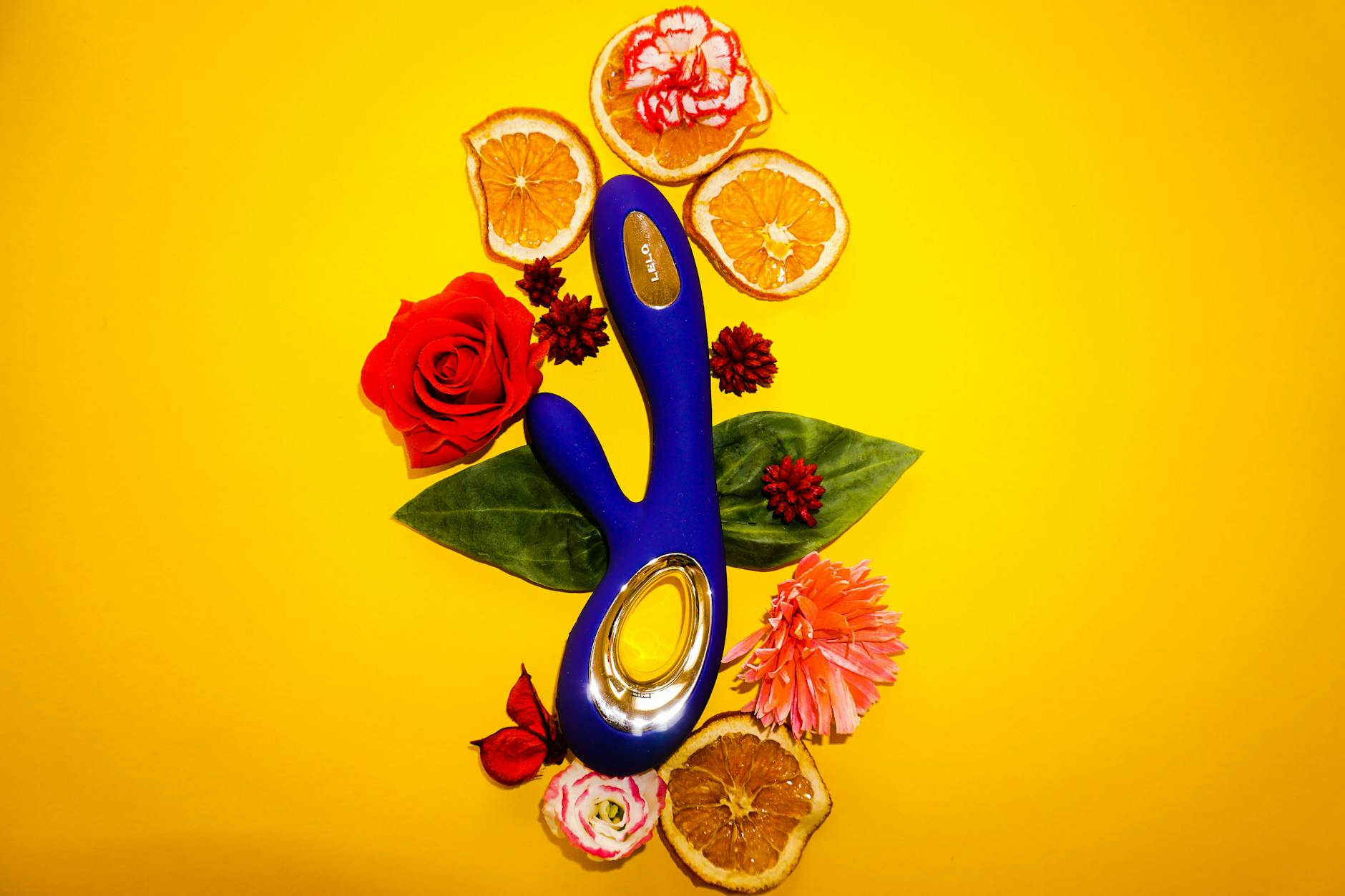
Let's be real about what performative arousal actually costs
You know the feeling. The moment when everything is "supposed" to happen, and your body hasn't actually caught up with the schedule. Your partner is ready. The timing works. The kids are asleep. And you're lying there thinking about the grocery list instead of actually feeling anything. That's not a libido problem. That's the result of years of treating arousal like a performance rather than an experience.
Performative arousal is what happens when you've internalized the message that sex is something that happens to you or for someone else, rather than something you're genuinely building. It's not about low desire. It's about desire that's been redirected toward keeping things moving, keeping things smooth, keeping your partner satisfied.
Why it feels staged, and what that actually means
In couples therapy, I watch this play out constantly. One partner initiates. The other feels obligated to respond. Arousal becomes a checkbox. The physical mechanics might work, but the whole thing feels thin, rushed, disconnected from actual pleasure.
The brain is a scientist about this. It knows the difference between genuine arousal and performing arousal. And once it learns that difference, it gets harder and harder to fake. Your nervous system actually starts to resist. Touch that used to work stops registering. Responses slow. Orgasms become less reliable. This isn't dysfunction. This is your body telling the truth.
Here's what changes when you use lemon vibrators specifically in this situation: air-pulse stimulation works with your nervous system instead of asking your brain to override what it's actually experiencing. The Lem vibrator, for example, creates sensation through suction rather than traditional vibration. That distinction matters because it bypasses the performance trap.
Breaking the cycle starts with stopping
First, the hardest part. You have to actually pause. Not continue with the plan. Not push through. Pause.
If you're in a relationship, this conversation needs to happen outside the bedroom, when nothing sexual is imminent. "I've noticed I'm not actually present during sex. I'm in my head thinking about whether I'm doing this right, or if I'm taking too long, or if you're enjoying it. I want to change that, and I need your help." Most partners, when they hear this clearly, feel relieved. They didn't want performative sex either. They just didn't know how to say it.
Then comes the real work. You have to relearn what authentic arousal actually feels like for you, separate from what you think it's supposed to feel like.
Solo practice is not what you think it is
This is where lemon vibrators become genuinely transformative. Not as a shortcut to orgasm. As a way to rebuild trust between your brain and your body.
Set aside 20 to 30 minutes. Actually block it. Your phone in another room. No performance goal. No finish line. The Lem or another lemon clitoral vibrator works beautifully here because air-pulse stimulation creates distinct, easy-to-feel sensation without that numbing effect that can come from traditional vibration.
Start on the lowest setting. You're not trying to come. You're trying to notice what actually feels good. Notice where sensation is strongest. Notice how it changes as you shift position. Notice if your mind wanders and gently bring it back. This is learning, not achieving.
Most people report that within three or four sessions of genuine solo practice, something shifts. Arousal starts to feel real again. Your body starts to respond to actual stimulation instead of obligation. And here's the part that changes everything: you start to remember what you actually want.
Bringing that authenticity back into partnered sex
Once you've practiced solo, partnered sex becomes a different conversation. You're not hoping your body cooperates. You know what works. You know what feels authentic to you.
With your partner, you can use the lemon clitoral vibrator in a few ways that break the performance cycle. One: incorporate it into partnered sex in a way that's explicitly about your genuine pleasure, not about speeding things along or "helping you finish." That framing matters. The Lem becomes a tool for real sensation, not a workaround for a "problem."
Two: sometimes, use it solo while your partner watches or participates in non-genital ways. This reframes sex away from the binary of "partner provides, you receive" and into something more like "we're both creating this together." That shift alone changes the dynamic.
Three: let your partner learn what authentic arousal looks like on your body. When you're not performing, they see you differently. Your breathing changes. Your responses become less predictable and more real. Most partners find that genuinely more attractive than any performance could be.
The nervous system reset happens slowly
If you've spent years in performative arousal, your sympathetic nervous system (the stress system) has been running the show during sex. Slowing down and using lemon vibrators to rebuild authentic sensation is a way of teaching your parasympathetic nervous system (the one that allows real pleasure) to take over again.
This doesn't happen in one session. But it starts to shift within a few weeks of consistent solo practice and honest partnered communication. You'll notice arousal building more naturally. Touch will start to register before you "should" want it. Your body will start initiating things your conscious mind hadn't planned.
That's not a bug. That's the system working.
When to get outside help
If performative arousal has been the pattern for years, sometimes there's more going on than just needing to slow down. Unprocessed resentment in the relationship. Unhealed sexual history. Chronic stress that's genuinely keeping your nervous system in fight-or-flight. A good therapist, particularly one trained in sex therapy or somatic work, can help you untangle that.
But many people find that reclaiming authentic arousal through solo practice with tools like the Lem vibrator is the gateway to deeper relationship repair. Once your body remembers what real pleasure feels like, everything else becomes possible.
The permission piece
Here's what I tell people in my office: your pleasure is not something you have to earn. It's not a gift your partner gives you for doing sex "right." It's not something you negotiate or ration or save for special occasions.
It's yours. Using a lemon clitoral vibrator to rebuild that ownership, to say "my body gets to actually feel good during this," is one of the most relationship-repairing moves you can make. Because a person who knows what authentic arousal feels like is a person who can't pretend anymore. And a relationship built on authenticity instead of performance is the only kind worth having.
Frequently asked questions
Can lemon vibrators help if I've been faking arousal for years?
Yes. The Lem and other lemon adult toys create distinct sensations that help your nervous system distinguish between genuine arousal and performed response. Consistent solo practice with air-pulse stimulation rebuilds trust between your brain and body. Most people notice a shift within 2-4 weeks of regular use, but this is about recalibration, not quick fixes.
What if my partner thinks I'm using a lemon sucker toy instead of focusing on them?
This is a partnership conversation. Frame it clearly: "I want to rebuild authentic arousal so that sex feels real for both of us." Most partners, when they understand that performative sex harms the relationship, actually want to help. The Lem isn't a replacement for your partner. It's a tool for you to rebuild what gets lost in performance cycles.
Does air-pulse stimulation feel different than regular vibration?
Completely. Air-pulse vibrators like the Lem create suction-based sensation that tends to feel less numbing and more responsive to your body's actual state. You're more aware of pleasure building and shifting, which helps you stay present instead of zoning out.
How long does it take to feel arousal naturally again after performative sex patterns?
Three to eight weeks of consistent solo practice, depending on how long the pattern has been running. Your nervous system needs time to relearn that sex is safe, that pleasure is for you, and that authentic arousal actually exists. Patient practice with lemon vibrators accelerates that process.
Can I use a lemon clitoral vibrator if I'm managing anxiety about sex?
Absolutely. In fact, many people with sex anxiety find that the control of solo practice with the Lem vibrator helps. You set the pace. You set the pressure. You set when it stops. That agency often dissolves the anxiety faster than talk alone can.
What if I still feel self-conscious using it, even alone?
That self-consciousness is usually about internalized messages that your pleasure isn't important or that wanting to feel good is selfish. Neither is true. Your body deserves genuine sensation. Give yourself permission to feel that. If shame is persistent, a therapist can help you work through it.
The bottom line
Performative arousal isn't about your desire. It's about the context. Change the context by committing to authentic pleasure, rebuild that connection with your own body using tools like lemon vibrators, and most of the relationship friction dissolves on its own. Your partner wants to be with you. Your body wants to feel good. All three of those things can be true at the same time. You just have to stop pretending and start practicing.