Let's start with what you already know
Infidelity demolishes trust. It doesn't just hurt in the moment—it rewires how you experience your partner's touch, their presence, their intention. For months or years after, sex can feel like a minefield. You're both walking through it hyperaware, trying to figure out if this is healing or just habit.
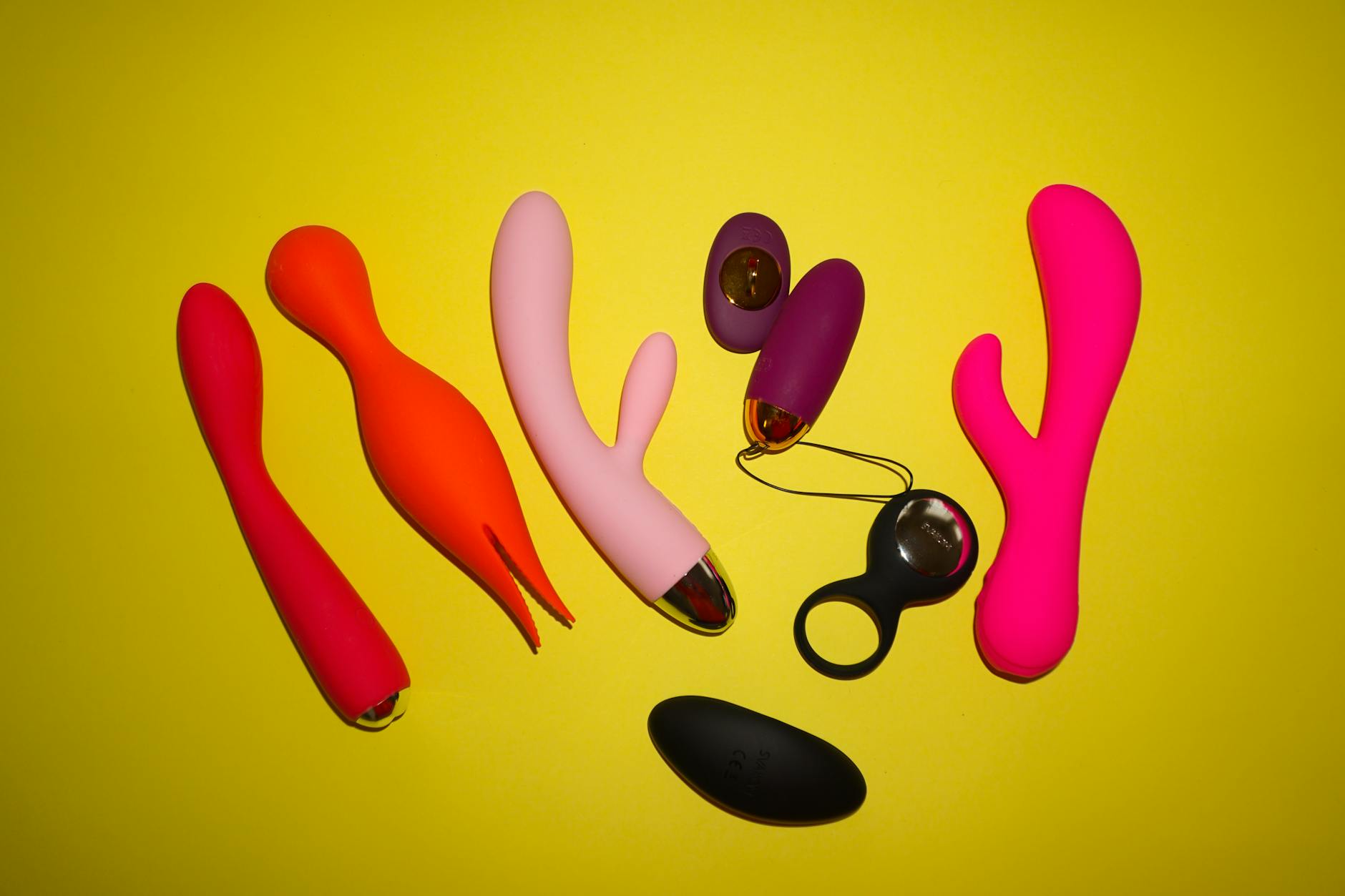
Physical reconnection after infidelity isn't straightforward. It's messy, nonlinear, and for a lot of couples, it stalls completely because there's no bridge between "I'm angry" and "I want to be close." That's where a tool like a lemon clitoral vibrator becomes unexpectedly useful. Not as a magic fix, but as a neutral third thing you both focus on instead of the weight in the room.
Why physical reconnection matters after betrayal
Here's something most relationship advice skips: after infidelity, couples often swing between two extremes. Either they avoid touch entirely for months (which deepens the disconnection) or they jump straight to full sexual intensity (which feels performative and creates more resentment). Neither builds trust.
Physical pleasure after betrayal works differently because it's not about proving anything or repairing through intensity. It's about re-establishing that your bodies can still communicate when your words feel hostile or scared. When you introduce a lemon vibrator into that space, it shifts the dynamic. Suddenly you're not focused on "Does this feel like forgiveness?" but rather "How does this feel?" It's information gathering, not emotional negotiation.
Research on post-infidelity couples shows that physical affection (starting small—hand-holding, massage, gentle stimulation) actually predicts better outcomes for reconciliation than intensive talking alone. Talking can loop. Touch grounds.
The three phases of rebuilding physical intimacy
Phase 1: Parallel pleasure (weeks 1-6)
You're not having sex together yet. Instead, each partner spends time alone with a lemon vibrator, rediscovering what feels good in their own body without the weight of the relationship in the room. This sounds simple, but it's crucial. After infidelity, your nervous system is dysregulated. You're in fight-or-flight whenever your partner is near. Solo play with a lemon vibrator lets you rebuild your own capacity for pleasure first, separate from the betrayal.
The air-pulse technology of lemon clitoral vibrators makes this especially effective because it's gentler than traditional vibration—there's no numbing fatigue, just clean, focused stimulation that helps your nervous system remember what safety feels like.
Phase 2: Shared witnessing (weeks 6-12)
This is where you start being in the room together. One partner uses the lemon vibrator while the other is present but not performing—no pressure to be turned on, no obligation to reciprocate immediately. You're just relearning how to be vulnerable in front of each other without it triggering old shame or rage.
Many couples find this phase surprisingly tender. You're not negotiating whose pleasure matters (a loaded topic after infidelity). You're simply saying "I'm here, and I want you to feel good." That distinction matters. A lot.
Phase 3: Mutual exploration (weeks 12+)
Only after both partners have rebuilt some baseline safety do you move to mutual stimulation. Using a lemon vibrator together—either one partner using it on the other, or each using their own while close—means you're building new neural pathways around pleasure and presence simultaneously. You're not replaying the old script.
The specific mechanics that help
Lemon clitoral vibrators work well for post-infidelity reconnection for three concrete reasons.
They're precise. Traditional vibrators can feel overwhelming when your nervous system is already in overdrive after betrayal. Lemon vibrators deliver focused air-pulse stimulation that feels less invasive and more controllable. Both partners have clarity about what's happening—no surprises, no triggers masked by intensity.
They level the playing field. After infidelity, there's often an imbalance in arousal or desire. One partner may still be punishing through withholding; the other may be over-performing to win back favor. A lemon vibrator gives the receiving partner autonomy. They're not waiting for their partner's arousal—they're creating their own, which rebuilds a sense of agency.
They're low-pressure. Because lemon vibrators are so effective at producing orgasm, there's less performance anxiety. After betrayal, orgasm can feel like a loaded question ("Does this mean I forgive you?"). When the tool itself does most of the work, you can both relax into the experience instead of treating it as a test.
Communication scaffolding that actually works
Physical reconnection fails when couples skip the conversation. But the conversation shouldn't be emotional—it should be logistical.
Before you use a lemon vibrator together, agree on three things: What does consent look like in this moment? (Clear yes or no, not assumed.) What's your exit plan if it gets too uncomfortable? (You can pause, stop, or switch to something else.) What are you curious about, separate from repair? (Framing it as exploration, not redemption.)
Those three questions skip all the "I'm sorry" territory and move straight to practical safety. Your nervous systems need that. After betrayal, emotional conversations often re-trigger the hurt. Practical ones create structure.
During the experience, some couples find it helps to narrate what they're feeling without judgment. "This feels good" instead of "I'm starting to trust you again." Keep it sensory. Keep it small. That's how you rebuild.
When to involve a therapist
If either partner feels triggered during physical reconnection—if touch starts to feel like punishment or validation instead of just touch—pause and talk to a couples therapist. Infidelity therapy isn't about moral judgment. It's about helping both people regulate their nervous systems and rebuild safety. A therapist who specializes in post-infidelity work can help you navigate what's normal nervous-system activation and what's a sign you need more time.
Some couples need 6-12 months before physical reconnection feels clean. Others move faster. There's no timeline that's "correct."
The emotional work underneath
Here's the thing nobody says out loud: a lemon vibrator isn't going to fix infidelity. It's not going to make the betrayal disappear or suddenly restore trust. What it does is create a space where both partners can experience pleasure and presence without the betrayal being the main character in the room.
After infidelity, reclaiming your sexual life together is an act of agency. It's saying "This person hurt me, and I'm choosing to stay, and I'm choosing to rebuild pleasure because my body deserves it." That's not forgiveness. That's resilience. And that's where healing actually lives.

Photo by cottonbro studio on Pexels
FAQ: Rebuilding physical intimacy after infidelity
How long should we wait before trying physical reconnection after infidelity?
There's no universal timeline, but most couples benefit from waiting until the acute trauma response has settled. That's usually 6-12 weeks minimum. If you're still in active crisis (daily arguments, new revelations), waiting longer is wise. You can't rebuild pleasure in an active threat state. Your nervous systems need to downregulate first. A therapist can help you identify when you're ready.
Can using a lemon vibrator together actually rebuild trust?
No, but it can start rebuilding the felt sense of safety in your body. Trust is a thinking process. Safety is a nervous-system process. A lemon vibrator can help your bodies learn that pleasure is still possible together, which is often the first bridge that leads to trust rebuilding. It's not the destination—it's early scaffolding.
What if my partner is resistant to using toys?
Resistance after infidelity often comes from shame or fear of further vulnerability. Have a conversation about what the resistance is really about. "I don't want toys" might actually mean "I'm afraid this means I'm not enough" or "I'm scared of losing control." Name that directly. A lemon vibrator isn't about replacing your partner—it's about both of you getting on the same team, turning your attention outward together instead of staying locked in the betrayal.
Is it normal to not be interested in sex after infidelity?
Completely normal. Betrayal dysregulates your nervous system. Your body goes into protective mode, which means desire often disappears. That's not a sign the relationship is over—it's a sign you need time and possibly professional support. Pressure to "get back to normal" sexually often backfires. Patience, small steps, and therapy tend to work better.
How do we know if we're actually healing or just going through the motions?
Healing usually feels like growing choice, not obligation. If you're using a lemon vibrator because you're trying to prove something to your partner or yourself, that's a sign the emotional work isn't done yet. If you're using it because you both genuinely want to feel good and be close, that's different. Trust your gut. If it feels forced, it probably is.
Can we ever have the same sexual connection we had before infidelity?
Probably not the same. But potentially better. After infidelity and successful rebuilding, couples often report more intentionality, more vulnerability, and more presence in their sexual life. You've both been through something. The sex doesn't erase that—but it can become more authentic because you've had to rebuild it from honesty instead of assumption.
Moving forward
Rebuilding intimacy after infidelity is unglamorous work. There's no movie moment where everything clicks back into place. Instead, there are small moments where you both exhale a little. Where touch feels like connection instead of negotiation. Where a lemon vibrator becomes a tool you both reach for because it brings you closer instead of representing everything that's broken.
If you're considering this path, start with honest conversation about what you both actually want—not what you think you should want. Then move slowly. Your bodies will tell you when the time is right.
If you're struggling to find your way back, that's not failure. It's normal. Consider working with a couples therapist who specializes in post-infidelity recovery. They can help you navigate the emotional landscape while you're rebuilding the physical one.
Your pleasure and your connection matter. Both are worth fighting for.