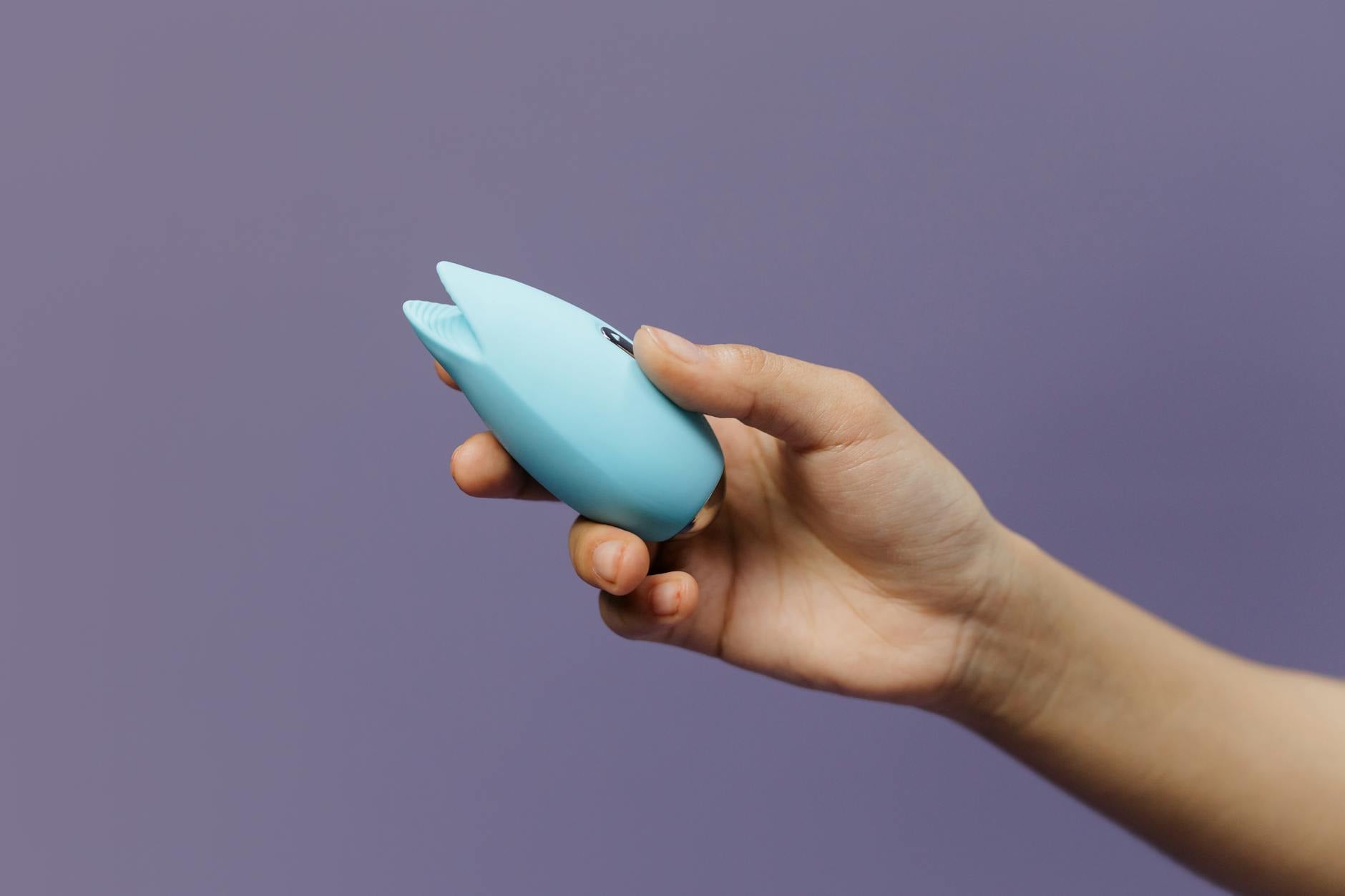
Your body is not broken, it's just different right now
Let's be real: hormonal shifts change how your body responds to touch, temperature, pressure, and stimulation. This is not a personal failure. It's not a sign that your favorite lemon vibrator stopped working or that something's wrong with your nervous system. Your body is doing exactly what it's designed to do. The conversation we need to have is about adaptation, not damage.
I've worked with hundreds of people navigating pleasure across their cycles and major hormonal transitions. The pattern is always the same: someone tries their usual lemon clitoral vibrator routine, it doesn't land the way it usually does, and they panic. Then they either abandon the toy or crank the intensity to maximum, which makes things worse. What they actually need is information about what's happening and a simple toolkit for adjusting.
How hormones actually shift your sensitivity
Estrogen and progesterone fluctuate throughout the month, and both have direct effects on clitoral sensitivity, lubrication, and arousal speed. In the follicular phase (roughly days 1-14 of a standard cycle), estrogen rises. Your clitoris becomes more engorged, more sensitive to touch, and arousal builds faster. This is when a lemon vibrator at medium intensity often feels perfect.
During ovulation, sensitivity peaks. Some people find their favorite settings suddenly feel too strong and prefer dropping down a notch or two.
In the luteal phase (roughly days 15-28), progesterone rises and estrogen dips. Your clitoris is less engorged, sensitivity decreases, and it takes longer to reach arousal. This is when many people feel like their lemon vibrator isn't working well, when really it just needs a different approach.
Progesterone also thickens cervical fluid and can make the entire pelvic region feel heavier or more tender. Some people find suction-based stimulation (like what lemon sexual toys deliver) feels better during this phase because it's less direct than traditional vibration.
The four settings tweaks that work best
If you own a lemon vibrator with intensity levels, here's what I recommend tracking and adjusting:
Week one of your cycle. Start at level 3 or 4 instead of your usual 5. Arousal builds more slowly during menstruation, and lower intensity often feels cleaner and less jarring. Many people also find that increasing warm-up time by 5-10 minutes helps dramatically.
Week two (ovulation window). Your usual settings might suddenly feel intense. Start where you always do, but be ready to dial it back if needed. Ovulation is when peak sensitivity means you actually need less external intensity to reach the same effect.
Week three. This is the transition into the luteal phase. Keep the setting lower than your follicular baseline. Sensitivity is dropping, but you're not yet in full luteal intensity shift. Think of it as the dimmer switch moving gradually.
Week four. Progesterone is highest, sensitivity is lowest. Now you can bump back up closer to your usual settings. Some people need settings one level higher than normal during this window. This is also when longer warm-up time helps most.
The key insight: you're not changing because something broke. You're adjusting because your baseline physiology shifted. There's no "wrong" setting, only what works for your body right now.
When angle and contact pattern matter more than intensity
During lower-sensitivity phases, many people find that changing how they hold or angle their lemon clitoral vibrator works better than chasing higher intensity.
Instead of direct suction directly over the clitoral glans, try angling the device slightly to stimulate the clitoral shaft or hood. The tissue here is often less sensitive and responds better to the suction pattern itself rather than concentrated pressure. You're using the same lemon sucker, but a small angle shift changes everything.
You can also experiment with moving the toy slowly rather than holding it still. Some people create tiny circles or a slow side-to-side glide. This creates rhythm without requiring the clitoris itself to withstand constant suction.
During your most sensitive phases, you might prefer stillness and heavier pressure. During lower-sensitivity windows, motion and lighter contact often work better. Same toy. Different approach.
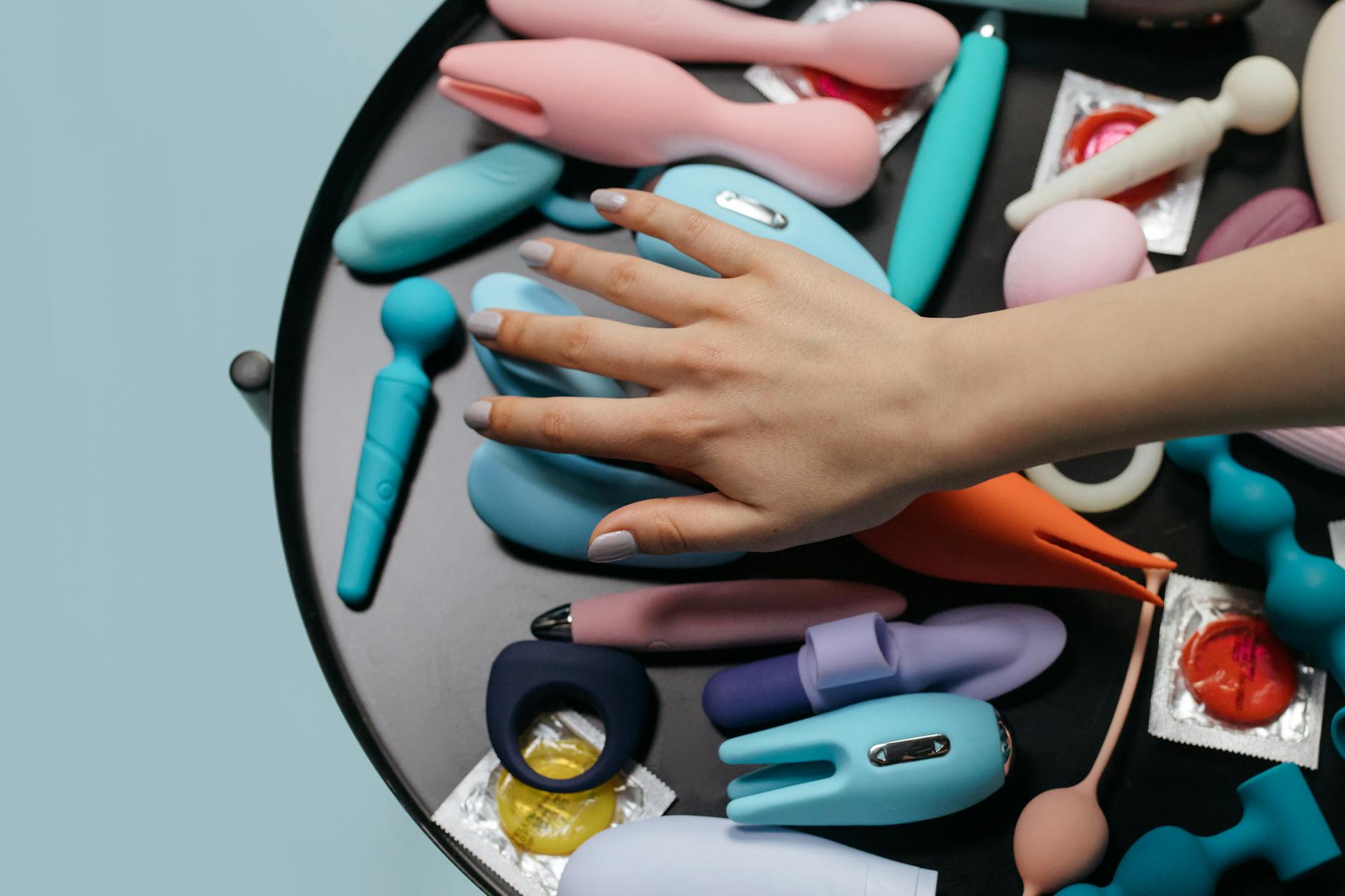 Photo by cottonbro studio on Pexels
Lubrication is not optional, it's strategic
Hormones shift how much natural lubrication your body produces. During the follicular phase, estrogen increases vaginal and vulval lubrication. You might not "need" additional lubricant at all. During the luteal phase, especially the week before menstruation, natural lubrication often decreases noticeably.
Here's the thing I tell every client: additional lubrication is not a sign of dysfunction. It's a tool. A water-based lube makes suction-based stimulation (exactly what lemon vibrators deliver) feel less grabby and more gliding. It also protects delicate tissue during lower-sensitivity phases when you're using the device more intensely or for longer periods.
I recommend keeping a small bottle near your bed and using it strategically during your luteal phase, or any time you notice that your lemon clitoral vibrator is pulling rather than gliding. It's that simple.
How to handle the weeks that feel harder
Most people have a window of 5-10 days each cycle when arousal is harder to access, sensitivity is lower, and orgasm either takes longer or feels different. This is completely normal and temporary.
Instead of fighting it, meet it:
- Budget more time. If you usually spend 10-15 minutes with your lemon sucker, give yourself 20-25 during low-sensitivity phases.
- Prime the nervous system first. Start with touch, or a warm shower, or even just lying in bed for a few minutes before introducing the lemon vibrator.
- Lower expectations. This might not be an orgasm session. It might be a pleasure session that doesn't have a finish line. Both are valid.
- Consider different toys. If you own multiple Hello Nancy devices, lower-sensitivity phases sometimes respond better to a different toy entirely. That's not a reflection on your lemon clitoral vibrator. It's just timing.
When you stop treating these phases as failures and start treating them as different, everything changes. You go from frustrated to informed. From broken to adaptable.
What shifts beyond the monthly cycle
Seasonal changes also affect hormones and sensitivity. Many people notice a dip in arousal and sensitivity in winter, likely tied to reduced daylight and circadian rhythm shifts. Stress, sleep, medication, and caffeine intake all modulate how quickly and intensely you respond to stimulation.
I recommend tracking not just cycle day, but also sleep quality, stress level, and time spent outside when possible. These contextual factors often matter more than the specific day of your cycle. Someone who slept poorly, is under deadline stress, and had no natural light often needs completely different settings than someone in the same cycle day who slept eight hours, moved their body, and spent time outside.
Your lemon vibrator isn't the variable that changed. Your nervous system baseline did.
 Photo by Diana ✨ on Pexels
Tracking what actually helps
Keep a simple note. It doesn't need to be detailed. Just: date, intensity level you used, how long the session took, whether arousal came easily or took work, and one word about how it felt (easy, tricky, great, different).
After two or three cycles, patterns emerge. You'll see exactly which phases need lower intensity, which need longer warm-up, which settings hit differently. You stop guessing and start knowing.
Then your lemon clitoral vibrator becomes not a toy that sometimes works and sometimes doesn't, but a reliable tool you know how to use across your entire cycle.
When hormonal changes signal something deeper
If sensitivity or arousal drops dramatically and stays low for months, that's worth checking in with a doctor about. Hormonal shifts sometimes indicate thyroid changes, medication side effects, or other things that benefit from professional eyes.
But the fluctuations described here, the week-to-week and month-to-month variations in how your body responds? That's not medical. That's just the way bodies work. And when you understand it, your lemon vibrator works better, your pleasure becomes more predictable, and you stop fighting your own physiology.
Your body is not difficult. It's just asking you to pay attention and adjust.
FAQ: Lemon Vibrators and Hormonal Sensitivity
Why does my lemon vibrator feel too strong some days and weak other days?
Hormone fluctuations directly affect clitoral sensitivity, blood flow, and tissue engorgement. During the follicular phase (post-menstruation, pre-ovulation), estrogen rises and your clitoris becomes more sensitive. During the luteal phase (post-ovulation), progesterone rises and sensitivity decreases. The same intensity setting feels different depending on where you are in your cycle. This isn't a toy problem. It's a physiology pattern you can learn to predict and adjust for.
Is it normal for my lemon sucker to feel uncomfortable during my period?
Yes. During menstruation, the pelvic region often feels heavier and more tender, and some people experience increased general sensitivity that makes concentrated suction uncomfortable. Try a lower intensity setting, add lubrication, adjust the angle of the device, or take a break entirely. Many people find that waiting until day 3 or 4 of their cycle (when bleeding is lighter and cramping usually eases) makes their lemon clitoral vibrator much more enjoyable. There's no rule about when you should or shouldn't use it. It's entirely about what feels good right now.
Can hormonal birth control change how my lemon vibrator feels?
Absolutely. Hormonal birth control stabilizes hormone levels, which means most people on it experience less cycle-to-cycle variation in sensitivity. Some people find their lemon vibrator works the same way every day, which is often easier to predict. Others find that birth control actually decreases overall sensitivity, so they adjust settings upward. If you start or stop hormonal contraception and notice your lemon vibrator feels different, give yourself two or three months to adjust before deciding whether it's a permanent shift. Your nervous system recalibrates, and so will your pleasure response.
Should I always use lubricant with my lemon clitoral vibrator?
No, but many people find it helpful during lower-sensitivity phases. Lubrication makes suction-based stimulation feel smoother and less "sticky." If your natural lubrication is abundant, additional lube is optional. If it's minimal or if you're in a low-sensitivity phase and the suction feels grabby, water-based lubricant solves it immediately. Keep a small bottle nearby and use it when it helps, not out of obligation.
What if my sensitivity feels permanently lower now?
Permanent shifts in arousal or sensitivity sometimes point to medical factors like thyroid changes, medication side effects, hormone imbalance, or depression. If your usual settings and techniques aren't working anymore despite trying the adjustments described here, talk to a doctor. But temporary dips that follow a pattern within your cycle are just bodies being bodies.
Can I train my body to be equally sensitive all month long?
Not really, and you wouldn't want to. Hormonal variation in sensitivity is a feature, not a bug. It's part of how your nervous system is designed. What you can do is understand the pattern, adjust your approach, and stop fighting it. When you work with your cycle instead of against it, pleasure becomes easier, not harder. That's not settling. That's actually winning.
References
This post draws on established reproductive endocrinology, sex therapy research, and clinical feedback from hundreds of conversations about pleasure across the menstrual cycle. For deeper reading on hormonal influence on sexual response, check out the work of researchers like Cynthia Graham and Tierney Ahrold, whose longitudinal studies examine exactly these fluctuations. For practical adjustments to pleasure practices during hormonal shifts, why lemon vibrators work better for sensitive clitorises after 40 covers related physical changes, and how to use lemon vibrators if you're new to clitoral suckers offers foundational technique tips you can layer with this hormonal information.
If you have questions about your specific situation or want personalized guidance, reach out to us. We're here to help.