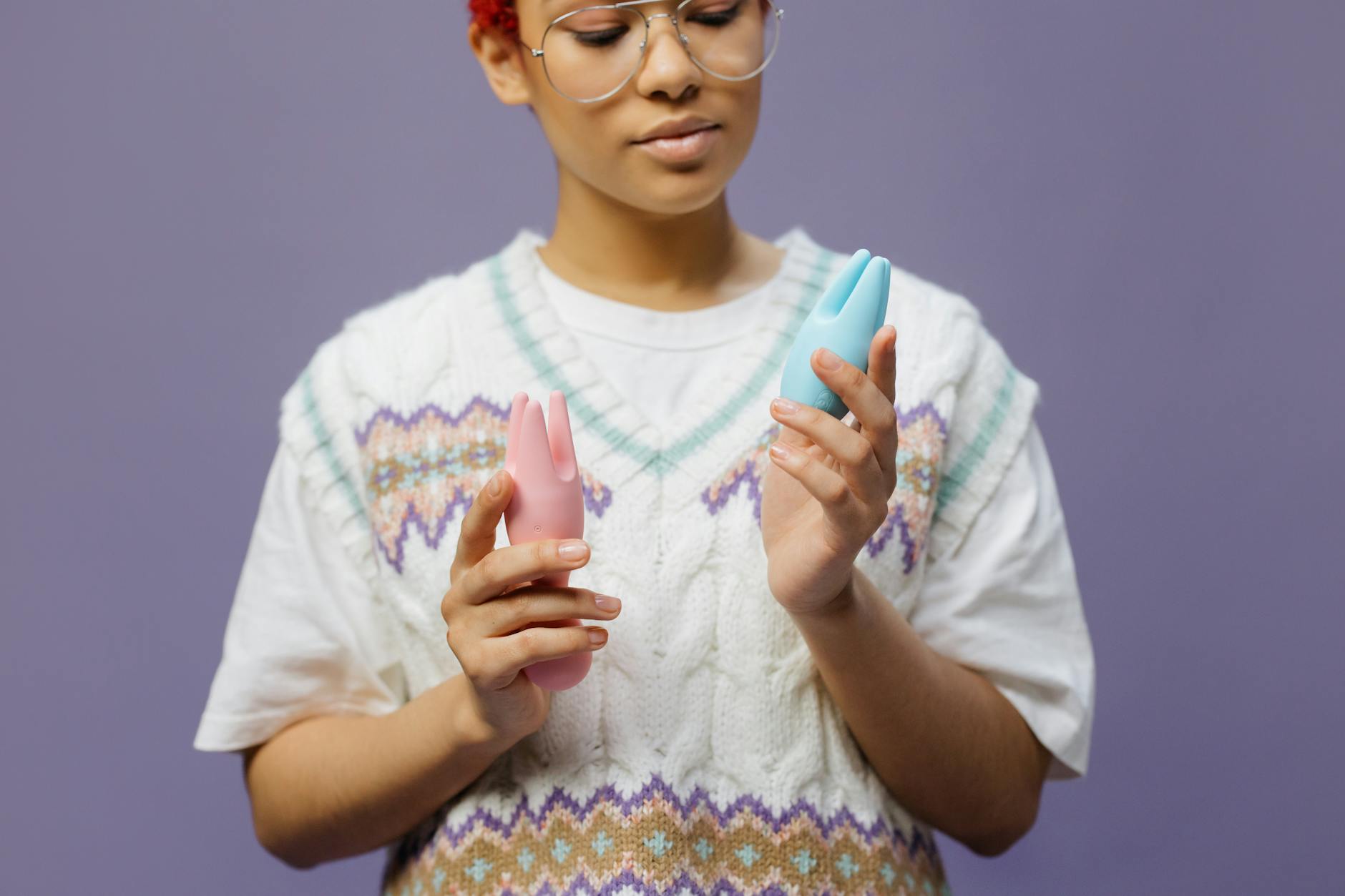
Let's start with what vulval atrophy actually is
Vulval atrophy (also called genitourinary syndrome of menopause, or GSM) happens when estrogen drops and the tissue lining your vulva, vagina, and urethra gets thinner, drier, and more fragile. This isn't rare. It affects roughly half of post-menopausal people, and it happens to people taking certain medications too. The frustrating part isn't just dryness. It's numbness. Sensation flattens. Orgasms take longer to arrive, feel less intense, or disappear entirely.
Here's what matters: this is treatable. And for many people, a combination of the right tools and patience works better than anything else.
Why sensation changes with tissue thinning
Your clitoris is densely packed with nerve endings. Most of those nerves sit close to the surface, in the thin epithelial layer. When estrogen drops, that layer thins. The nerve endings are still there, but they're further from the surface. Stimulation has to travel through more tissue to register, which means it either feels muted or doesn't register at all.
Traditional vibrators vibrate against the tissue. If your tissue is thin and tender, that direct friction can feel irritating instead of pleasurable. This is where lemon clitoral vibrators change the game. Suction works differently. Instead of pushing down, it pulls gently inward, drawing blood flow to the area and stimulating nerves from a different angle. For atrophied tissue, that means sensation can return without discomfort.
The physiological shift that happens with suction
When you use a lemon vibrator, the suction pattern creates micro-pulses of pressure. This does three things at once:
Increases blood flow. Suction pulls blood to the clitoris, which brings oxygen and nutrients. This is the same mechanism behind why your fingers feel more sensitive after they warm up. Increased circulation literally makes nerves more responsive.
Stimulates without direct friction. The suction motion doesn't scrape or vibrate against thin tissue. It massages the whole external clitoris (the part you can see is only the tip of a much larger structure that extends internally). This distributed stimulation is gentler than focused vibration on tissue that's already compromised.
Builds sensation gradually. Many people with atrophy report that sensation doesn't return all at once. It rebuilds. Week one might feel like a faint tingle. Week three feels more defined. This is normal. Nerves need time to reactivate, and consistent, gentle stimulation helps that process.
Why other vibrators can feel painful with atrophy
If you've tried a traditional vibrator and felt uncomfortable, that's not a sign to give up. It's a sign that direct vibration was the wrong tool. Thin, atrophied tissue is more prone to micro-tears. Friction can irritate it. Plus, if lubrication is also reduced (which happens with atrophy), there's less cushion between the vibrator and the tissue.
Lemon vibrators avoid this because suction doesn't rely on friction. It works through pressure and release. You control the intensity by adjusting which speed setting you use, and you can start incredibly gentle. This means you can rebuild sensation at the pace your body can handle.
How to start if you're nervous
Honestly, many people approach this with understandable caution. Your vulva has been sensitive. The idea of adding a tool can feel risky. Here's the protocol I recommend:
First, invest in a good water-based lubricant. Even if your atrophy treatment (like vaginal estrogen cream) is working, extra lubrication helps. It reduces any remaining friction and makes the experience more comfortable.
Second, start on the lowest setting. A lemon clitoral vibrator like the Lem starts gentle. Spend a session just getting used to the sensation without expectation of orgasm. This is exploration, not performance.
Third, build a routine. Consistent, weekly use helps rebuild sensitivity faster than sporadic use. Your nervous system needs repetition to remember how to respond.
Fourth, give it time. Three to four weeks of consistent use is when most people notice a real shift. You're not just using the device. You're retraining your body's capacity for sensation.
The role of estrogen treatment alongside vibrators
If your atrophy is moderate to severe, talk to your doctor about vaginal estrogen cream or tablets. These are topical treatments that rebuild tissue thickness without significant systemic absorption. They work. And they work faster when combined with gentle stimulation.
Here's why: estrogen rebuilds the tissue. A lemon vibrator stimulates the rebuilt tissue and trains your nervous system to recognize sensation again. Together, they're more effective than either one alone. I've seen clients combine vaginal estrogen (used 2-3 times weekly) with lemon vibrator sessions (also 2-3 times weekly) and report dramatic improvements in sensation and pleasure within six weeks.
When sensation rebuilds, what does it feel like
People often describe the return of sensation as gradual. Week one: "I felt a little something, but it was faint." Week three: "It's getting more defined. I can feel the pattern of the suction now." Week six: "I'm getting close to orgasms I haven't had in years."
Orgasms after atrophy-related numbness can feel different than before. Some people report they're more localized. Others say they're more intense because the anticipation was longer. Most say it's worth the rebuild time.
The emotional component matters as much as the physical
Atrophy often shows up alongside grief. Your body is changing. Sex might have gotten complicated. If you have a partner, the dynamic might have shifted. Taking time to rebuild pleasure isn't just physical. It's a way of saying your body still deserves attention, care, and sensation.
If you're partnered, this is worth communicating about. "I'm rebuilding sensation with a tool that works for my body" is very different from "something is wrong with me." The first is action. The second is a story. Pick the first.
People also ask
Can lemon clitoral vibrators damage thin tissue from atrophy
No, when used correctly. Lemon vibrators use suction, not direct vibration, so there's minimal risk of micro-tears. Start on the lowest setting, use lubricant, and listen to your body. If something feels sharp or painful, stop. Discomfort that lingers after a session means you went too intense too fast. Back off and try again next week.
How long does it take to feel sensation returning
Most people notice a shift within two to four weeks of consistent weekly use. Full sensation rebuilding takes longer. Some people report continued improvement over three to six months. This isn't linear. You might have a great week and a flat week. That's normal. The overall trend is what matters.
Should I use estrogen cream and a lemon vibrator at the same time
Yes, but space them out. Use the cream in the morning, for example, and use the vibrator in the evening. Both are gentle, but there's no reason to combine them in the same session. Your body needs time to respond to the estrogen treatment. Separate timing also helps you notice which tool is contributing to what.
What if I'm on antidepressants and my atrophy happened after I started them
Atrophy from antidepressants works the same way as atrophy from menopause. Certain medications can suppress estrogen signaling or reduce blood flow. A lemon vibrator can help rebuild sensation while you're on the medication. If atrophy is severe, talk to your doctor about whether a different medication class might work for you. Some antidepressants have less impact on sexual function than others.
Can lemon vibrators help if atrophy is causing pain during partnered sex
Yes. Solo pleasure work rebuilds sensation and helps your nervous system remember how to respond without the pressure of partnered performance. Many people find that rebuilding sensation on their own first makes partnered sex feel more comfortable when they return to it. Plus, you learn what works for your body now, which you can communicate to your partner.
Is it normal to feel nothing the first time I use a lemon vibrator
Completely normal. If sensation is heavily dampened, the first session might register as mild pressure. That's not failure. That's baseline. Use it as a starting point. The goal of week one isn't orgasm. It's sensation building. By week three or four, that mild pressure usually sharpens into something more distinct.
The bottom line
Vulval atrophy is a real change, and it deserves real tools. Lemon clitoral vibrators work because they rebuild sensation gently and progressively. Paired with medical treatment (like vaginal estrogen) and consistency, they can restore pleasure that felt gone. Your body's capacity for sensation doesn't disappear with atrophy. It gets quieter. The right vibrator just turns up the volume again.
If you're ready to rebuild, start low, go slow, and give your body time. Sensation comes back. And when it does, it's often better than before because you know exactly what your body needs.
Have questions about whether a lemon clitoral vibrator is right for your situation? Get in touch with the team at Lem Sex Toy or reach out to your healthcare provider for personalized guidance on combining tools and treatments.