
How Lemon Vibrators Compare to Traditional Vibrators for Everyday Use
Here's what nobody tells you when you're shopping for a clitoral vibrator: the technology you choose changes the entire experience. Not the intensity level, not the size, not the price tag. The mechanism itself. And once you understand how lemon vibrators and traditional vibrators actually work differently, the choice becomes obvious.
I've worked with hundreds of couples and individuals navigating this decision, and the most common mistake is assuming all vibrators do the same thing. They don't. One uses rapid oscillation. The other uses gentle suction. One feels like consistent pressure. The other feels like a wave. And your pleasure depends on which one matches how your body actually responds.
The fundamental difference: vibration versus suction
Traditional vibrators work through vibration. The motor creates rapid back-and-forth or circular movements, usually anywhere from 3,000 to 10,000 oscillations per minute. That vibration is transmitted directly through the silicone to your clitoris. It's consistent, predictable, and for many people, intense right away.
Lemon vibrators use air-suction technology. They create a gentle rhythmic suction around the clitoris, mimicking the sensation of oral stimulation without using direct friction. There's no vibration at all. Instead, you get waves of pressure that pulse at varying intervals depending on which pattern you select.
This is the core distinction. Not a preference. Not a marketing angle. A completely different physical sensation.
Why this matters for your nervous system
Your clitoris has about 8,000 nerve endings concentrated in a space the size of a pea. That density means the type of stimulation you choose reaches your nervous system in fundamentally different ways.
Traditional vibration triggers what's called a "rapid-adaptation" response in your nerves. Your body gets used to the stimulus quickly, which is why many people need to increase intensity over time or switch patterns frequently to maintain sensation. For some folks, that's exactly what works. For others, it leads to numbness or over-stimulation.
Suction works differently. Because the sensation is rhythmic rather than constant, your nerves don't adapt as quickly. The alternating pressure creates a building sensation rather than a flat one. Many people find they can reach orgasm with lower overall intensity settings, which means less risk of temporary numbness and more sustainable pleasure over longer sessions.
Intensity and sensation: what you actually feel
With a traditional vibrator, you feel the oscillation immediately. Even on the lowest setting, there's vibration happening. For people with sensitive tissue (whether from hormonal changes, medication side effects, or just natural sensitivity), this can feel too strong right away.
With a lemon clitoral vibrator, the entry point is gentler. The suction sensation has a softer initial contact. You're not fighting against buzz. You're getting rhythmic pressure that builds. This matters hugely for people who are returning to pleasure after a long break, recovering from sensitivity issues, or working through trauma.
That said, traditional vibrators absolutely have a place. They're often smaller and more portable. They tend to be faster at reaching orgasm if you know exactly what you want. And some people's nervous systems simply prefer the direct vibration sensation. Neither is objectively better. They're just different tools for different bodies.
How they perform with partners
Couples often ask me which is "better" for partnered sex, and here's the honest answer: lemon vibrators tend to work better in more scenarios.
Traditional vibrators are louder, which can feel awkward during partnered sessions if sound matters to you. They can also be harder to integrate smoothly because the intensity is front-loaded. You reach a plateau and then you're managing stimulation level rather than building gradually.
Lemon sexual toys like the Hello Nancy Lem offer quieter operation and a sensation that feels more like a partner's attention. The suction builds rather than hits. This creates more room for the back-and-forth rhythm that couples often want. If your partner is also involved, the less aggressive starting point gives you both more space to find a rhythm together.
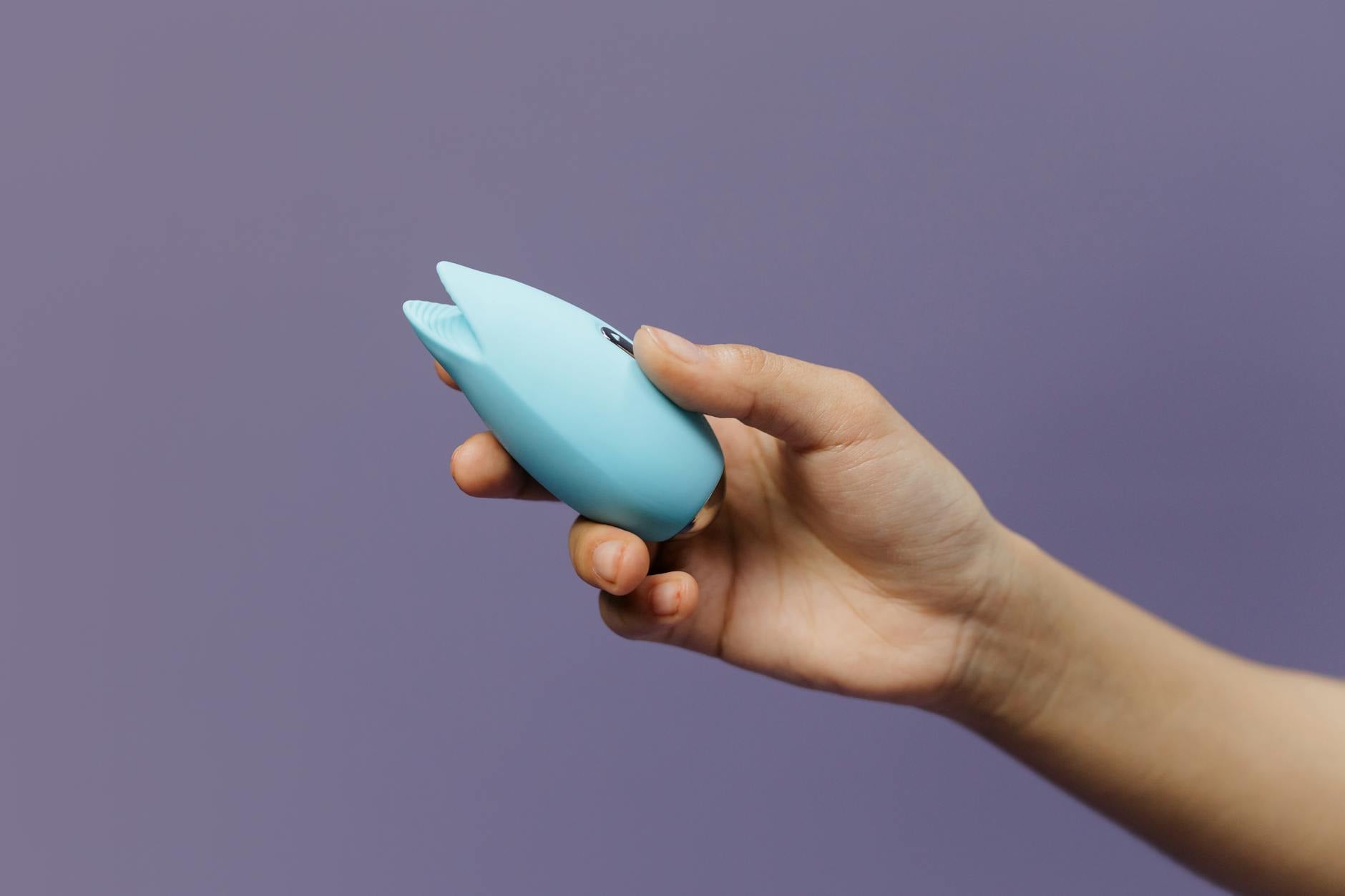
Photo by cottonbro studio on Pexels
Comfort and tissue interaction over time
One thing I tell clients constantly: comfort during use is the biggest factor in long-term pleasure consistency. If a vibrator causes discomfort, you'll use it less. You'll anticipate the discomfort, which creates tension. And tension makes everything harder.
Traditional vibrators can cause buzzing-related soreness with extended use, especially on sensitive clitoral tissue. That's not a flaw. It's just physics. High-frequency vibration on delicate tissue needs to be managed carefully.
Lemon clitoral vibrators create a different type of pressure. Because suction is gentler and rhythmic, many people report they can have longer sessions without soreness or that post-use sensitivity. The sensation actually feels good for longer periods.
If you've experienced numbness from previous vibrators, antidepressants, or hormonal changes, this is worth testing. The suction mechanism often restores sensation faster because it's not fatiguing your nerve endings in the same way.
Cost and durability
Traditional vibrators range wildly in price. You can find decent ones for $30 and luxury ones for $200+. The Hello Nancy Lem, a premium lemon clitoral vibrator, sits at $89. Most traditional wand vibrators are in that same range.
Durability-wise, both last years if you maintain them properly. Suction-based toys sometimes have silicone seals that can wear over many years of use, but we're talking 5+ years of regular use before that's typically an issue. Traditional vibrators' motors can wear out, but usually not before several years of heavy use.
The real cost difference is in replacement. Lemon vibrators from Hello Nancy hold their value if you ever decide to sell, and they work across so many different body types that they rarely need replacement. Traditional vibrators get ditched more often because a change in sensitivity means the old one stops working for you.
How to actually choose between them
Here's the framework I use with clients:
Pick a lemon clitoral vibrator if you want gentler initial sensation, you're rebuilding pleasure after a gap, you have sensitive tissue, you want to use it with a partner, or you want to explore longer sessions without soreness. The Lem is specifically designed for this.
Pick a traditional vibrator if you know exactly what sensation you want, you value portability, you want speed to orgasm, or you've used them successfully for years and your body still responds well.
The honest truth: most people benefit from having both. A lemon suction vibrator for everyday use and exploration. A traditional vibrator for when you want something different. Your pleasure isn't a one-tool situation.
The sensation you didn't expect
One thing that surprises people moving from traditional to lemon vibrators: the texture of the experience is totally different. With vibration, you're managing intensity. With suction, you're riding a wave. It's less about control and more about surrender.
That's not better. That's just different. And different is exactly what your nervous system sometimes needs to wake back up.
Frequently Asked Questions
Do lemon vibrators work if I have numbness from medication?
Often, yes. Because suction stimulates nerves differently than vibration, many people find that sensation returns faster with lemon clitoral vibrators. That said, medication-related numbness varies by person. If you're concerned, start with a lower-intensity setting and give it a few sessions. Your nervous system might surprise you.
Can I use a traditional vibrator and a lemon vibrator together?
Absolutely. Some couples use them in sequence. Start with the lemon vibrator to build sensation gradually, then switch to traditional vibration if you want a different sensation toward climax. Mixing tools is smart. Your body isn't monogamous to one stimulus.
Which one is quieter?
Lemon clitoral vibrators like the Hello Nancy Lem are significantly quieter. No buzzing motor means a softer hum. If noise is a concern for you, suction-based lemon sexual toys are the better choice.
How do I know if I'll prefer suction or vibration?
Honestly, you don't until you try it. But here's a hint: if you've found traditional vibrators exhausting, numbing, or too intense right away, suction is worth testing. If you've loved traditional vibrators, you might add a lemon vibrator for variety rather than replacement. Most people find they want both in their collection.
Do lemon vibrators take longer to reach orgasm?
Not necessarily. They typically take longer to build sensation, which some people experience as slower to climax. But others find the gradual build actually makes orgasm more intense when it arrives. You're not trading speed for quality. You're trading a sprint for a journey.
Are lemon vibrators better for sensitive clits?
For many people, yes. The suction mechanism is gentler on delicate tissue, and the rhythmic sensation doesn't fatigue nerves the same way rapid vibration does. If you have clitoral sensitivity from hormonal changes, medication, or just natural sensitivity, a lemon clitoral vibrator is worth trying.
The real question isn't which vibrator is objectively best. It's which sensation your body actually craves. Traditional vibrators have been the default for so long that many people never discovered lemon clitoral vibrators exist. Now you know there's a completely different category of clitoral vibrators available. Your next choice is whether to explore it.
If you want to talk through which might be right for your specific situation, or if you have questions about how different vibrators work with specific health conditions, reach out. That's what we're here for.
Get started with the Hello Nancy Lem or explore all our options. Your pleasure deserves to be informed.