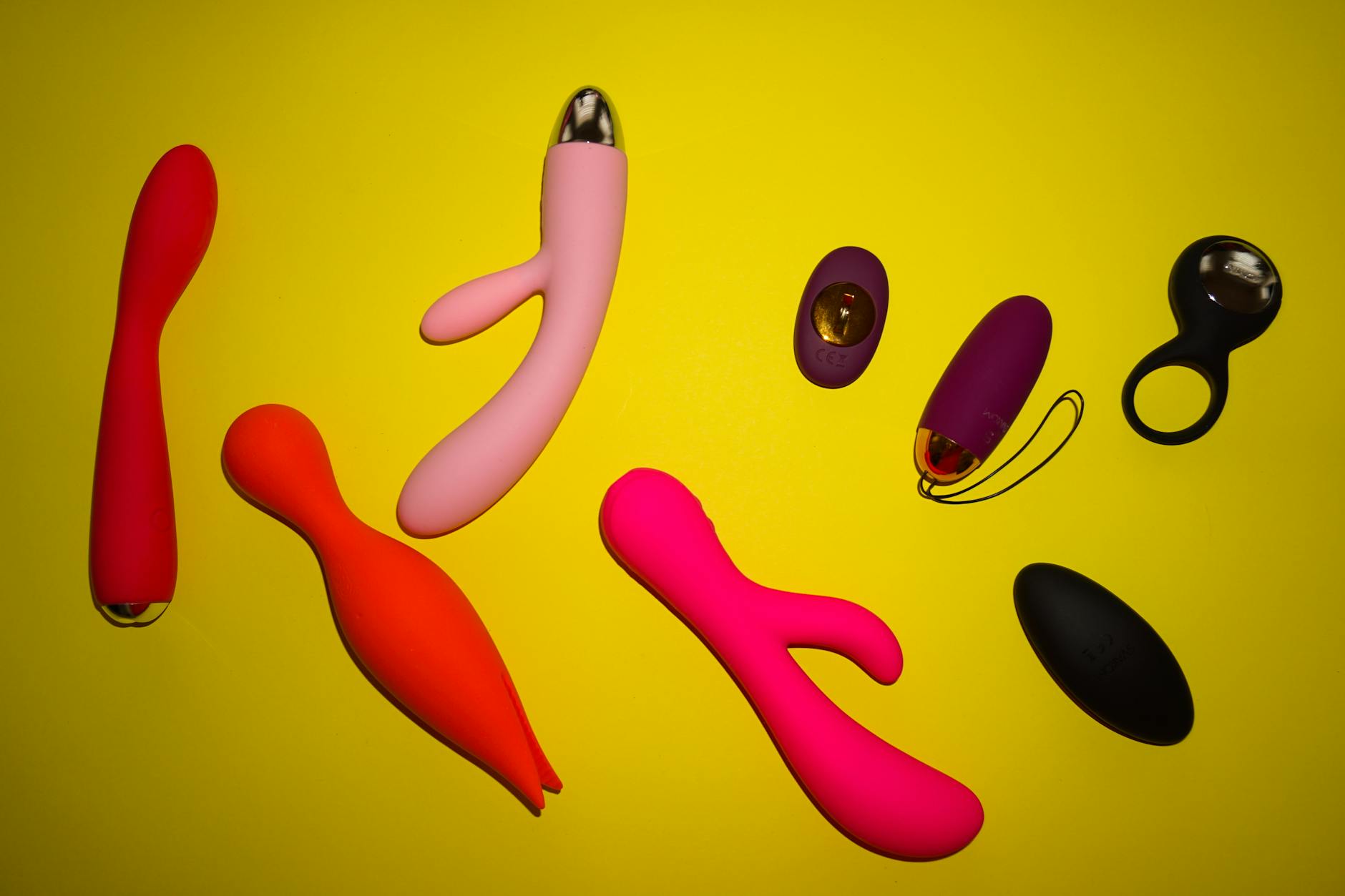
Let's start with the honest part
Every person's body is different. That's not a cop-out answer; it's the foundation of why this question matters. One technology being objectively "better" doesn't exist in pleasure. But what does exist is a real physiological difference between how lemon vibrators (clitoral suction devices) and traditional vibrators interact with your tissue, nerves, and sensation threshold. Understanding that difference means you can actually predict which one might work for you instead of guessing.
I've worked with hundreds of people navigating this exact choice. Some swear by clitoral suction. Others find traditional vibrators are their reliable go-to. The science reveals why both groups are right.
How traditional vibrators actually work
A standard vibrator creates rapid back-and-forth motion, typically oscillating at 80-10,000 Hz depending on the device. This motion stimulates nerve endings through mechanical pressure and friction. You feel the vibration travel through your tissue, spreading the stimulation across a wider area of the clitoris and surrounding vulva.
Traditional vibrators are also more forgiving of technique. You can press, angle, hold steady, or move them around. They're flexible tools that don't require much precision. For people who are new to clitoral stimulation or who have trouble locating their most sensitive spots, this flexibility is genuinely valuable.
The downside: over time, many people develop what's sometimes called "vibrator desensitization." The repetitive stimulation fatigues the nerve endings, so you need stronger settings to feel the same intensity. Some people report that sensation actually becomes less pleasurable at higher speeds, feeling more buzzy than arousing.
How clitoral suction works differently
Lemon vibrators use a completely different mechanism. Instead of vibrating, they create rhythmic suction or pulsing sensations. A clitoral suction device seals gently around the clitoris and applies varying levels of air pressure, creating a feeling closer to oral stimulation than to vibration. The technology mimics the way a partner's mouth works: gentle pressure combined with rhythmic movement.
This matters neurologically. The clitoral nerve (the pudendal nerve) responds differently to suction than to vibration. Suction creates a broader, more diffuse sensation across the whole clitoral area rather than targeting individual nerve endings the way a vibrator does. For many people, this feels less intense upfront but builds arousal more gradually and sustainably.
Here's something that research and real feedback consistently show: people who report decreased sensation with traditional vibrators often find that clitoral suction toys like the Lem reactivate that sensitivity. This is because suction works on a different set of neural pathways. Your nerve endings get a break from the vibration stimulus, so sensitivity resets.
The research doesn't give you a winner
Studies comparing clitoral suction devices to traditional vibrators show something interesting: they're not really comparable in a useful way. In a 2020 study published in Sexual Medicine Reviews, researchers found that clitoral suction devices work faster for some users (achieving orgasm in 2-3 minutes on average) but not for all. Some people found them uncomfortable or ineffective, while others reported the most intense orgasms of their lives.
Traditional vibrators showed equally varied results. The technology itself isn't the determining factor. The determining factors are:
- Your nerve sensitivity and what stimulation pattern actually triggers your arousal
- Whether your body prefers concentrated or diffuse sensation
- Your pelvic floor tension and how relaxed you can become
- Whether you've been using the same type of device for years (and may need something different)
In other words: what works better is what works better for you. Not better in general.
When lemon vibrators have a real advantage
That said, there are specific situations where clitoral suction toys consistently outperform traditional vibrators.
If you have sensitive tissue. People with vulva sensitivity, vulvodynia, or those recovering from trauma often find that the gentler, broader stimulation of suction feels less overwhelming than concentrated vibration. You're not pushing pressure directly onto sensitive points; you're creating a gentle seal and rhythm around the whole area. Check out our guide on how to use clitoral vibrators if you have sensitive skin for more strategies here.
If you've developed vibrator fatigue. If you've been using traditional vibrators for years and orgasm takes longer or feels less intense, switching to suction can actually reset your sensitivity. The different stimulation pattern wakes up nerve pathways that have gone quiet from repetitive vibration.
If you want something that mimics partnered sex. Clitoral suction is the closest technological simulation of oral sex. If that sensation is what actually gets you there with a partner, a lemon vibrator like the Lem is often a more effective solo tool than a traditional vibrator.
If you want hands-free use. Suction devices seal and hold, so you can use your hands for other things or just relax. Many traditional vibrators require consistent hand pressure to stay in place.
When traditional vibrators have the advantage
It's not all one direction.
Traditional vibrators are better if you like control and variety. You can change the angle, speed, pressure, and movement pattern moment to moment. You're not locked into one position. For people who masturbate through deep penetration combined with clitoral contact, a traditional vibrator gives you that flexibility.
They're also simpler to use right away. There's no learning curve. You turn it on and it does what it looks like it does. Clitoral suction devices require a bit more finesse in terms of fit and seal, which can be annoying if you just want quick, uncomplicated pleasure.
And if you've never had vibrator fatigue, there's no reason to switch. If traditional vibrators work consistently and feel good, you don't need something different.
The real answer: they're tools for different jobs
Here's what I tell people in my practice: these aren't competing technologies. They're complementary. Some of my clients own both a traditional vibrator and a clitoral suction device, and they use them for different moods, different times in their cycle, different speeds of arousal.
When you're in a rush and know exactly what you need, a traditional vibrator might be your move. When you want to spend time building sensation slowly, or when you're exploring what actually turns you on, a clitoral suction toy gives you different feedback. Neither is "better." One might be better suited to what you want right now.
If you're trying clitoral suction for the first time, start with lower settings and give yourself permission to spend a few sessions learning how it feels. It's a different sensation, and your body needs time to understand it. We have a detailed breakdown of how to use lemon vibrators if you're new to clitoral suckers that walks through the real technique.
What actually matters more than the device
Honestly? The device itself is less important than three other factors.
Your comfort with your own body. If you're tense, self-conscious, or holding back, neither a traditional vibrator nor a lemon sucker will bypass that. Pleasure requires permission and presence. That's not a device problem; it's a headspace problem.
Your pelvic floor tension. A tight pelvic floor dampens sensation from either type of device. If you're holding tension habitually, the technology won't matter as much as learning to relax.
Your expectations. If you expect instant orgasm or think one device will "fix" your pleasure, you're setting yourself up. These are tools that can amplify what's already there. They don't create sensation from nothing.
FAQ: Your actual questions answered
Do lemon vibrators cause the same desensitization as traditional vibrators?
Not typically, but it's possible. The suction mechanism works differently enough that most people don't experience the same fatigue. That said, using anything intensely and repeatedly can lead to decreased sensitivity over time. Most people find that rotating between different devices or taking breaks prevents this.
Are lemon clitoral vibrators more expensive than traditional vibrators?
They can be. Suction technology is newer and requires more engineering. A quality lemon vibrator like the Lem runs higher than a basic traditional vibrator, but less than high-end wand vibrators. Think of it as a mid-range investment in something that might genuinely change what works for your body.
Can you use a lemon suction toy if you've never been able to orgasm?
Maybe. If you've never orgasmed before, the issue is usually not the device but something in your nervous system, your relationship to your body, or your baseline tension level. A lemon vibrator might help, but you might also benefit from talking with a therapist or sex educator first. The device can't bypass work that needs to happen in your brain and body relationship.
Do lemon vibrators work for all body types?
Clitoral suction devices require a seal around the clitoris to work effectively. For some people with larger labia or different anatomy, finding the right seal takes adjustment. There are typically different cup sizes available for this reason. Traditional vibrators are more universally accessible for different body types.
Is it normal if a lemon vibrator feels uncomfortable at first?
Completely. It's a different sensation than what you might be used to. Discomfort usually settles once you find the right seal, the right intensity setting, and give your body time to understand the feeling. Start low, be patient, and adjust. If it stays uncomfortable after a few tries, it might just not be your tool.
Can you use a lemon suction vibrator with a partner?
Yes, absolutely. Some couples find it enhances partnered sex because it frees up hands, creates consistent sensation, and gives the receiving partner time to focus on their own pleasure rather than managing a device. Others prefer to stay with traditional vibrators for partnered play because the control feels more connected. Talk with your partner about what appeals to both of you.
The bottom line
Lemon vibrators aren't universally "better." But they're genuinely different in a way that makes them better for specific people and specific moments. If you're curious, they're worth trying. If traditional vibrators already work for you, there's no obligation to switch. Pleasure isn't a competition between technologies. It's about finding what actually works for your body, your nervous system, and your desires.
Ready to explore? Start with understanding what lemon vibrators actually do, then decide if that sensation profile matches what you're looking for. And remember: the best toy is the one that gets used, feels good, and aligns with what your body wants right now.